Begin at the doorway
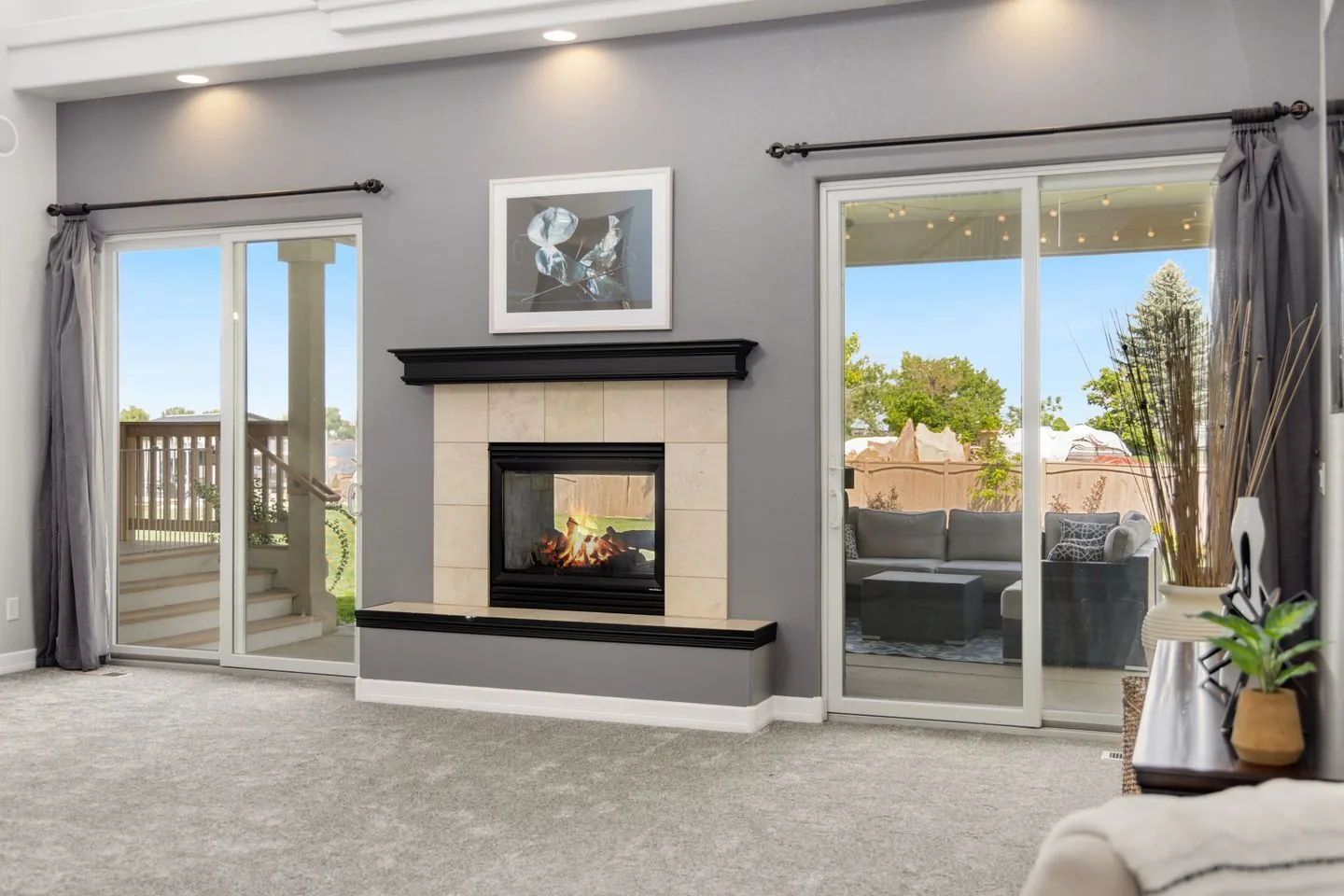
The indoor-outdoor connection is first a route. Open the door fully and walk through carrying the things that usually travel outside: drinks, gardening supplies or a laundry basket. Check the threshold, the landing area and where the door stops. Keep furniture and planters away from these movements.
Different levels and surfaces need particular attention. Do not disguise a step so thoroughly that it becomes harder to notice. Any structural alteration, drainage change or major door work needs appropriate professional advice. A comfortable connection can often be improved through furniture placement without changing the building itself.
Relate the activities on each side
Place outdoor seating or a table where it supports the way the adjoining room is used. A kitchen door may naturally lead to a modest eating place, while a living-room opening may suit a seat for conversation. The most attractive position in the garden is not always the most convenient for daily use.
Check privacy, sun and wind before settling the outdoor arrangement. An exposed table might look aligned with the indoor dining area yet rarely be comfortable enough to use. The connection should encourage you to spend time outside, not merely create a pleasing view through the glass.
Repeat a material without forcing a match
A related colour or texture can help the two spaces feel connected. Timber indoors might be echoed by a suitable outdoor material, or a cushion colour could pick up a note from planting. Use products appropriate to their conditions rather than taking an indoor object outside because it matches perfectly.
Exact continuity is not essential. Outdoor surfaces have different demands for drainage, durability and maintenance. Choose them for those jobs first. A comfortable visual relationship can come from a shared warm or cool palette even when the materials themselves are quite different.
Give travelling objects a home
Outdoor cushions, shoes and serving items often accumulate near the door. Decide where they live when not in use. A suitable storage location close to the threshold can make going outside easier, but it should not narrow the route or trap damp materials before they have dried.
Think about cleaning as well. A suitable mat may help manage dirt, provided it lies securely and does not interfere with the door. Keep the arrangement simple enough that the threshold can be swept and checked regularly. A connection that brings constant mess inside may gradually discourage use of the outdoor area.
Keep the view useful after dark
At night, glass can become reflective and make the outdoor space disappear. Appropriate outdoor lighting may help reveal a route or seating area, but it should suit the location and avoid creating glare or nuisance. Use products designed for outdoor conditions and qualified installation where required.
Indoors, avoid placing a bright lamp directly where its reflection dominates the glass if the view matters. Try the evening arrangement from your usual seat. A small adjustment in lamp position may improve the relationship without adding more equipment or increasing the amount of light outside.
Allow for the seasons
The connection will change with weather and daylight. Plan where furniture and loose items go during poor conditions, and keep the door useful even when outdoor life is less frequent. Seasonal storage should not turn the inside of the doorway into a crowded holding area.
Judge the result through ordinary use: taking breakfast outside, bringing in a plant or stepping out for a moment of air. If those small transitions feel easy and both spaces remain comfortable in their own right, they are connected successfully. Visual continuity should support that experience rather than become another rule to maintain.
Make movement and everyday routines work before trying to match indoor and outdoor finishes.
A Swishover guide · Practical ideas to adapt to your own home.
Spotted something we should improve?