Pick something worth seeing every day
A strong feature can be a patterned curtain, a large artwork, a distinctive chair or a wall colour. It does not need to be expensive or oversized. What matters is that you enjoy it enough to let it lead the room. Starting with a trend you only half like can result in several weaker choices added to distract from it later.
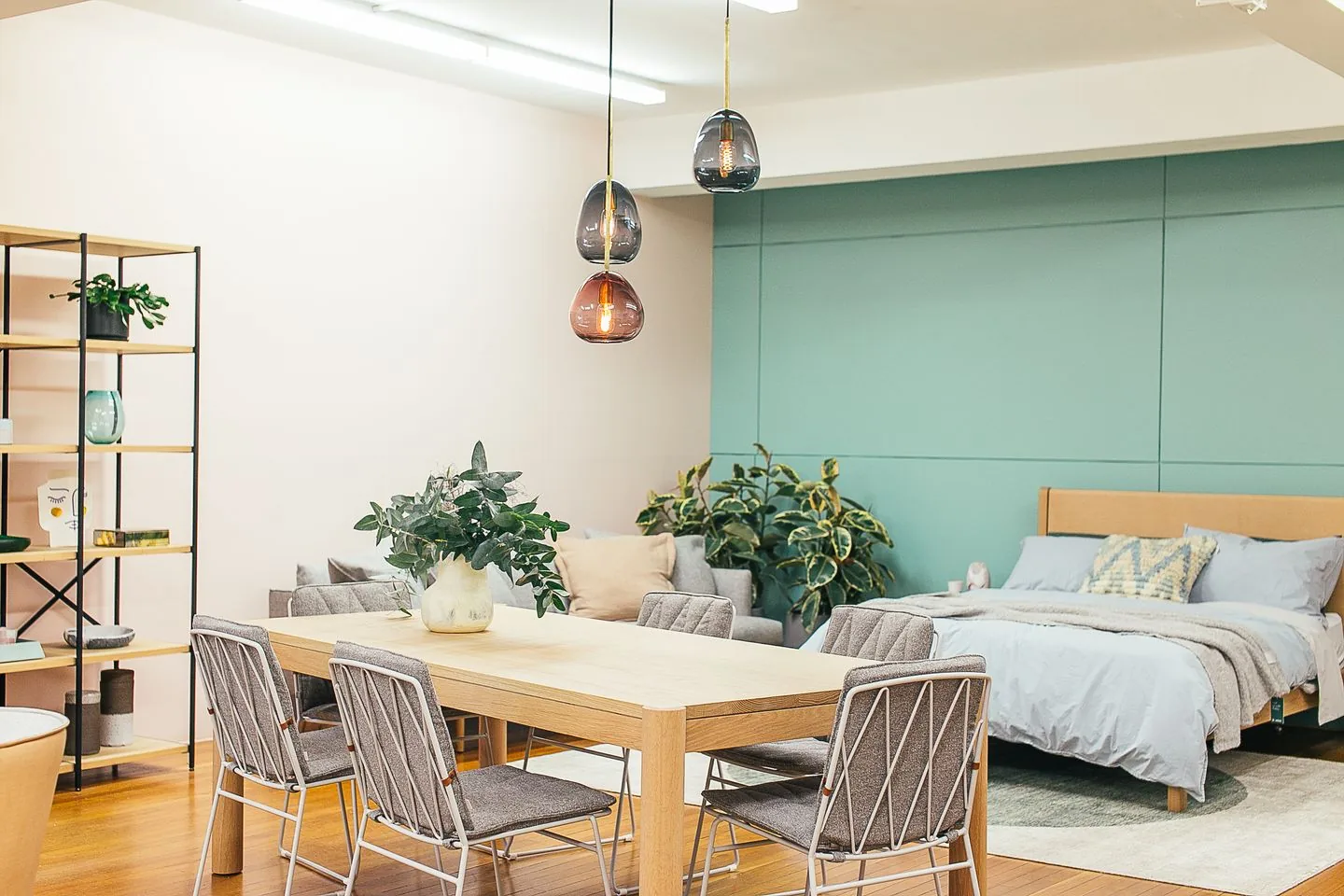
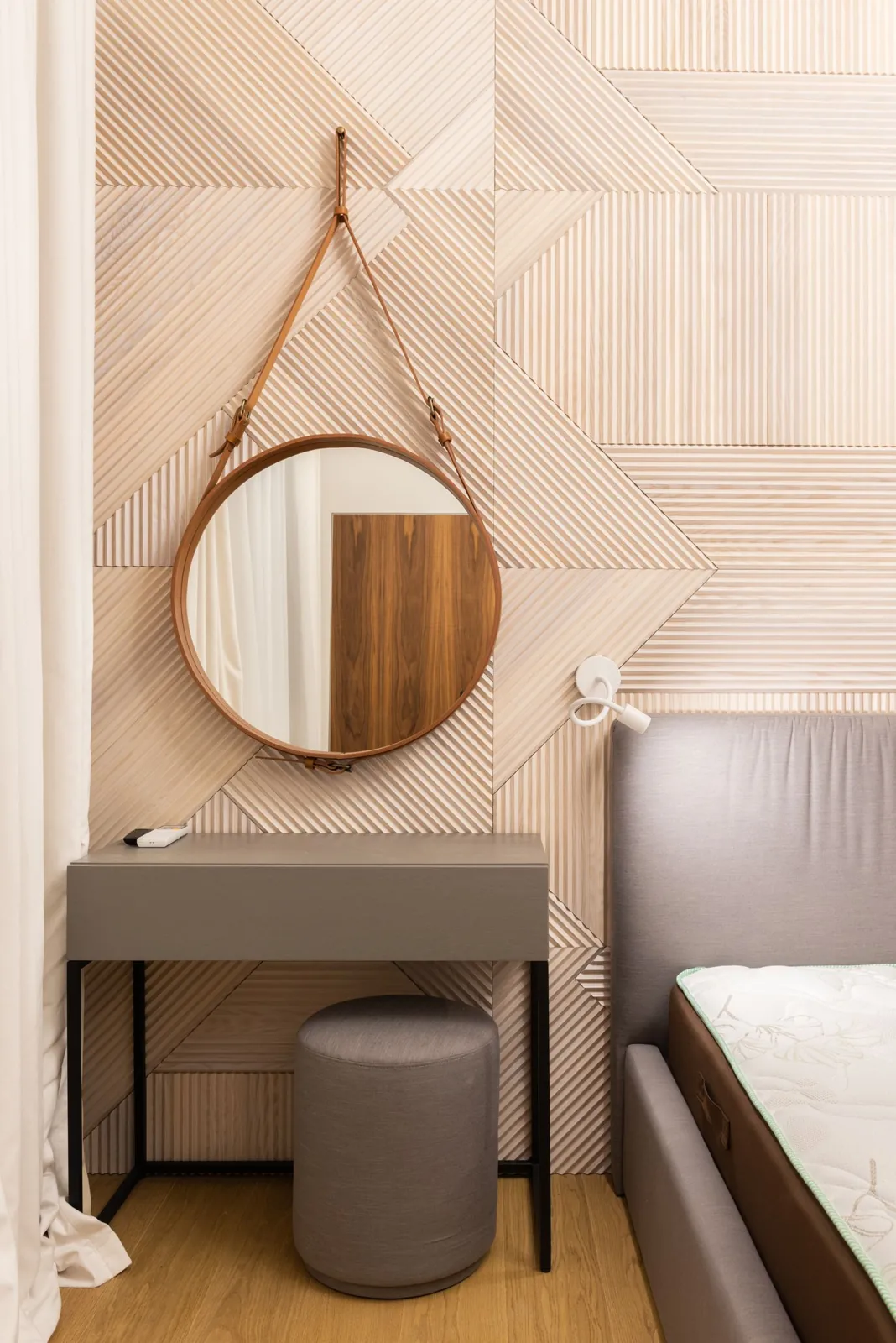
Think about the room's purpose and its main viewpoint. A vivid artwork may suit the wall opposite a living-room seat, while a bedroom might feel better with its boldest detail behind the headboard. The feature should enrich the experience of using the room, not demand attention from every angle.
Decide what will remain quiet
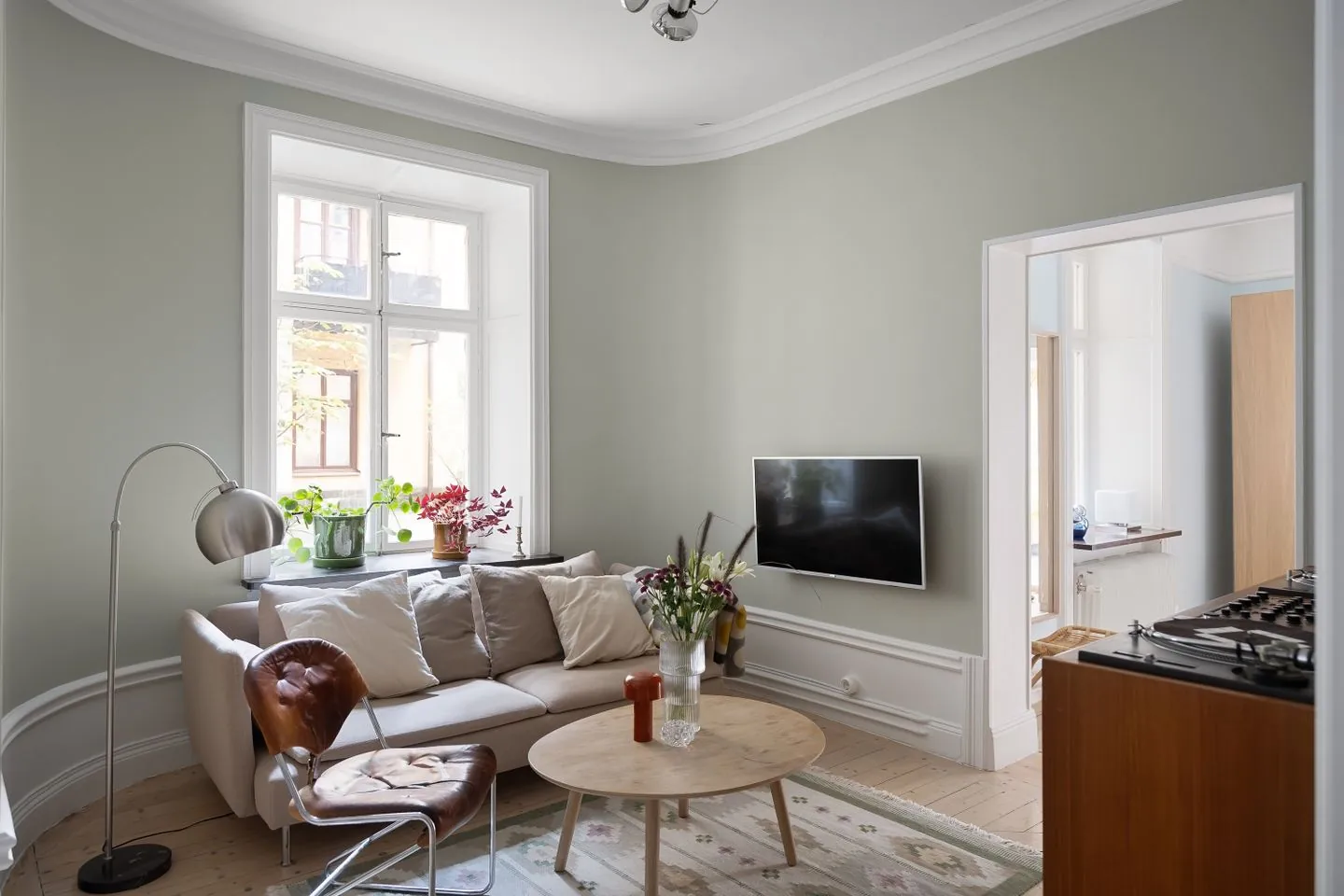
Once the feature is chosen, look at the nearby colours, patterns and objects. They do not all have to be neutral, but they should have a clear relationship to the main element. Pulling one quieter colour from a patterned fabric can connect the rest of the room without repeating the whole design.
Avoid giving every surface equal importance. A striking rug, elaborate curtains, a busy gallery wall and several statement cushions can compete in a compact room. If you already own those pieces, try removing or relocating one at a time. Editing often reveals that the room has a strong idea buried beneath several additional ideas.
Give the feature physical space
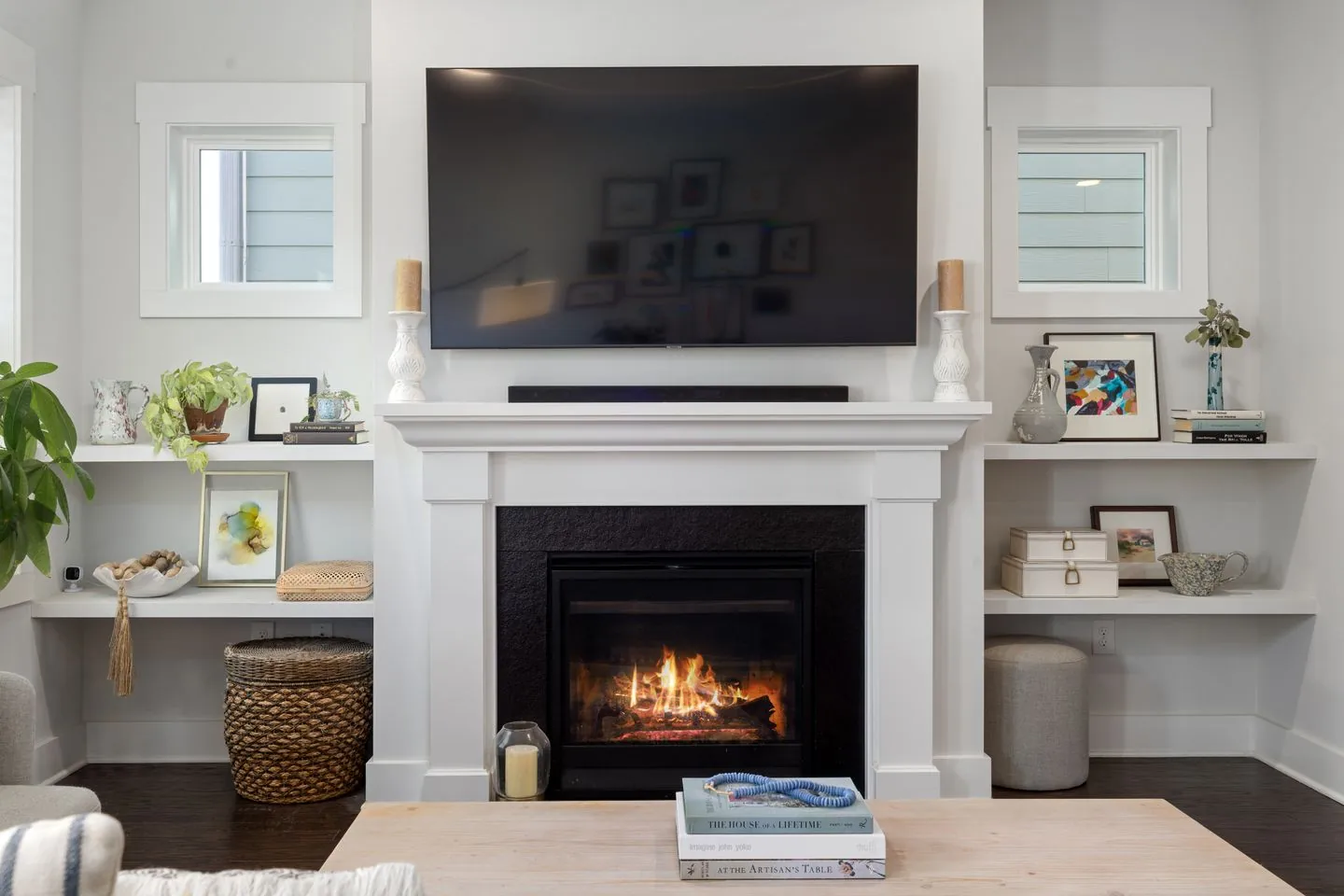
A beautiful chair is harder to appreciate when it is wedged between a cabinet and a stack of baskets. A bold wall can feel calmer when the furniture in front of it has a simpler outline. Look for a little clear space around the chosen feature, while preserving the room's practical functions.
This does not mean leaving a small room empty. It means avoiding unnecessary objects immediately beside the focal point. If storage is essential, choose a position or form that supports the arrangement. A closed cupboard may provide a quieter neighbour than open shelves filled with many unrelated items.
Test scale in the actual room
Small rooms do not automatically require tiny patterns or small pictures. A larger, simpler gesture can sometimes feel less busy than many little ones. Mark an artwork's outline with paper or hang a fabric sample where it will be seen. Check it from the doorway and from the seat or bed, not only from close up.
For colour, observe the sample across the day and under evening light. A strong shade may look comfortable beside one material and harsh beside another. Bring the important finishes together before committing, particularly if the change is difficult to reverse. The room's real light is more reliable than a screen image.
Keep the everyday scene believable
Imagine the room with normal possessions in use. A coat over a chair, a book on the table and a charging cable will add visual information. Leave enough restraint in the design that these ordinary signs of life do not immediately make it feel overloaded.
After introducing the feature, pause before buying coordinating accessories. The room may already feel complete. If something is missing, identify its practical or visual role specifically rather than adding another eye-catching object. A small room gains confidence when one clear choice is allowed to lead and the rest of the arrangement makes living around it easy.
Choose the feature you most enjoy, then reduce competing emphasis around it.
A Swishover guide · Practical ideas to adapt to your own home.
Spotted something we should improve?