Watch what happens at the mirror
A dressing table can support skincare, makeup, hair care or simply putting on jewellery. Decide which of these tasks actually happens there. Remove unrelated paperwork, spare bedding and decorative objects that have accumulated because the surface was available. Sit in the usual position and check the mirror, light and reach. The products used during a normal morning should be accessible without stretching across a forest of bottles.
Keep the centre of the surface usable. A clear patch lets you set down a brush or small open bag without balancing it on another object. The useful arrangement begins with that working area, then finds homes for the surrounding supplies.
Keep the daily group deliberately small
Select the products and tools used regularly and give them one tray or shallow organiser. Reserve items and occasional colours can live in a drawer or cupboard nearby. Containers should hold the group with room to grasp individual pieces, not pack everything tightly enough that removing one tube dislodges the rest. A tray with a washable surface is easier to maintain around products that may drip or spill.
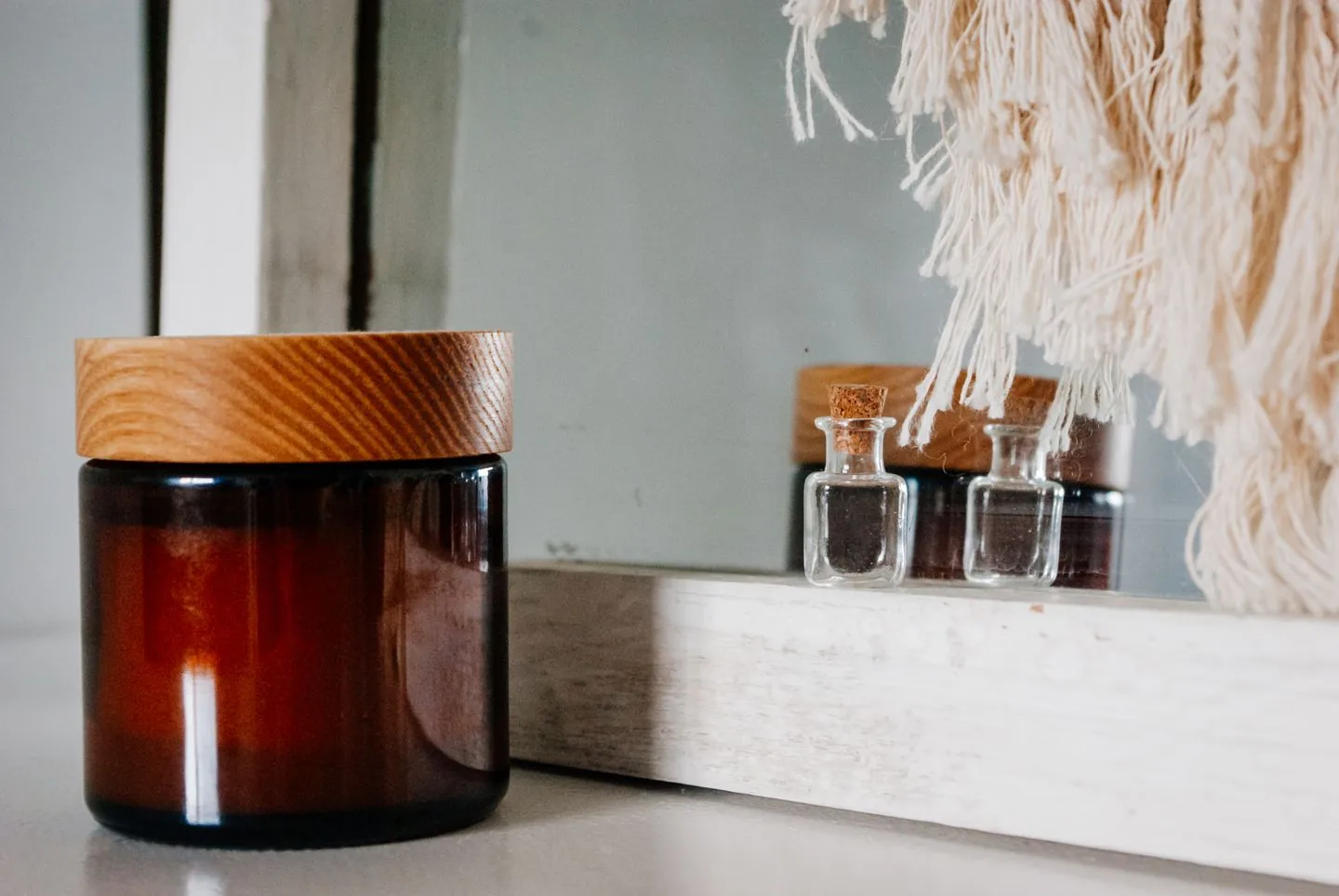
Keep product identification, dates and directions available. Decanting into decorative bottles is not necessary for a calm surface and can make similar liquids difficult to tell apart. Follow the product's storage guidance, including any need to avoid sunlight or heat from a nearby window.
Give tools a suitable home
Brushes and combs need storage that suits their shape and cleaning routine. A small upright holder can work if it remains clean and the tools are dry before returning. Separate frequently used brushes from occasional accessories so the holder does not become a tightly packed thicket. Keep sharp grooming tools appropriately protected and away from unsuitable access.
Hair appliances need space to cool and must be stored according to their instructions. Do not put a hot tool into a drawer or leave its cord where it can catch a chair leg. A heat-resistant accessory is useful only when suitable for the appliance and used correctly. Keep the electrical setup practical and avoid trailing leads through the seating or walking area.
Make jewellery visible without exposing everything
A small dish can hold the pieces taken off daily, while necklaces may need separate hooks or compartments to prevent tangling. Keep valuable or delicate items in storage appropriate to their care and security needs. The dressing-table surface does not need to display the whole collection. Choose a few clear positions so rings do not disappear among hair grips and loose coins.
If you use a jewellery box, check that its lid can open without moving the mirror or lamp. The same applies to drawers: a stool that blocks them may make putting things away unnecessarily awkward. Adjust the furniture position or the contents before adding another container on top.
Leave a quick reset possible
At the end of the routine, close products, return tools and wipe any spills as appropriate for the surface. Lift the daily tray periodically to clean underneath it. If the clear working patch keeps disappearing, look at the items that occupy it. They may be used often enough to deserve a proper place, or they may belong elsewhere. A small flower vase or personal object can remain if it does not interrupt the task. The dressing table should feel personal while still leaving enough space to get ready without rearranging it first.
Keep a small daily group, a clear working patch and separate homes for tools, reserves and jewellery.
A Swishover guide · Practical ideas to adapt to your own home.
Spotted something we should improve?