Measure the bay as a shape
Bay windows rarely behave like straightforward rectangles. Measure the width at the opening, the depth at several points and the angle of the side walls. Include radiators, skirting and the space needed for curtains or blinds. A piece that fits across the front may be too deep for the angled sides.
Notice how the bay relates to the rest of the room. It might be part of the main route, a quiet recess or the only place receiving good daylight. Those conditions should guide its purpose before furniture is chosen. Do not assume a built-in seat is the inevitable answer simply because the shape suggests one.
Try one useful piece first
A comfortable chair angled towards the room can make the bay a reading or conversation spot. A compact table might support breakfast or occasional work. Start with one piece you already own, if possible, and see how it feels through a normal day. The experiment may reveal that a smaller arrangement is more useful than a fitted solution.
Leave room to move around and clean the windows. If reaching a handle requires leaning over a table or standing on furniture, the arrangement needs revision. A bay is valuable partly because of its light and outlook; filling it so completely that both become difficult to enjoy defeats the purpose.
Think carefully about a window seat
A fitted seat can provide appealing storage and a generous perch, but its height, depth and back support matter. Check how it will be used: brief sitting, reading for an hour or extra seating during visits. Cushions change the effective height and depth, so include them in the plan.
Any fitted work should respect heating, ventilation and access requirements, with appropriate professional advice where needed. Storage lids and drawers must open safely and conveniently. If the seat is likely to be used by children, consider the window arrangement and follow suitable safety guidance rather than treating the raised surface as a purely decorative addition.
Manage light for the activity
Strong daylight can be lovely for reading and difficult for a computer screen. Try the activity at different times before settling on the furniture angle. Suitable window coverings can manage glare and privacy, but they should remain easy to operate with the new arrangement in place.
Avoid placing delicate objects in prolonged direct sun without considering their material. Fabrics and finishes can change with exposure. Rotate or protect suitable items according to care guidance, and choose the bay's everyday contents with those conditions in mind. A useful space should not require constantly rescuing objects from the light that makes it attractive.
Connect it to the room
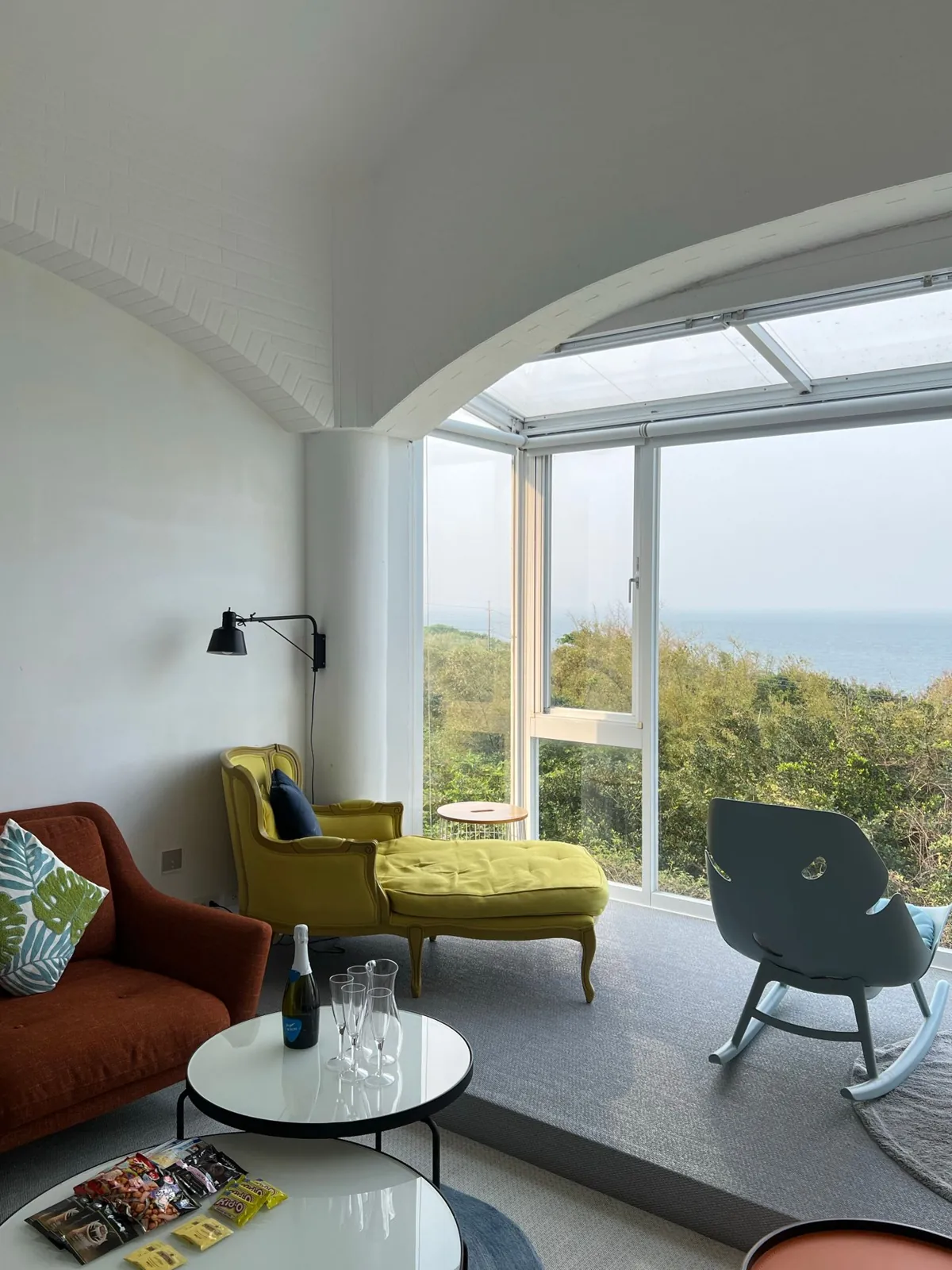
The bay can feel distinct without becoming a separate miniature room. Repeat one material or colour from the main space and let the furniture orientation maintain a relationship with it. A chair facing entirely outward may suit solitary reading, while a slight turn inward makes joining conversation easier.
Finish by looking from the room's main seat. Does the bay add a usable place or simply another cluster of furniture? Remove any pieces that exist only to fill an angle. A little visible floor and a clear view towards the glass often make the bay feel more generous than a carefully packed arrangement.
Keep access to the windows and choose a use that benefits from the light.
A Swishover guide · Practical ideas to adapt to your own home.
Spotted something we should improve?