Know whether the fireplace is working
A working fireplace has requirements for clearances, materials and use that take priority over styling. Follow the appliance or fireplace guidance and seek appropriate professional advice if its condition or requirements are unclear. Do not assume that a decorative arrangement seen elsewhere is suitable for your own fire.
A disused fireplace also deserves care before its purpose changes. Ventilation and the condition of the opening may matter, and reopening or altering it is a building task rather than a styling exercise. Once its status is understood, you can decide how much visual emphasis it needs without placing objects where they should not be.
Remove the automatic symmetry
Two alcoves beside a fireplace do not have to hold identical furniture. Their dimensions, light and relationship to doors may differ. A cabinet on one side and a quieter arrangement on the other can feel balanced if their overall visual weight relates. Matching pieces can work, but they should solve the room's needs rather than merely fill the available spaces.
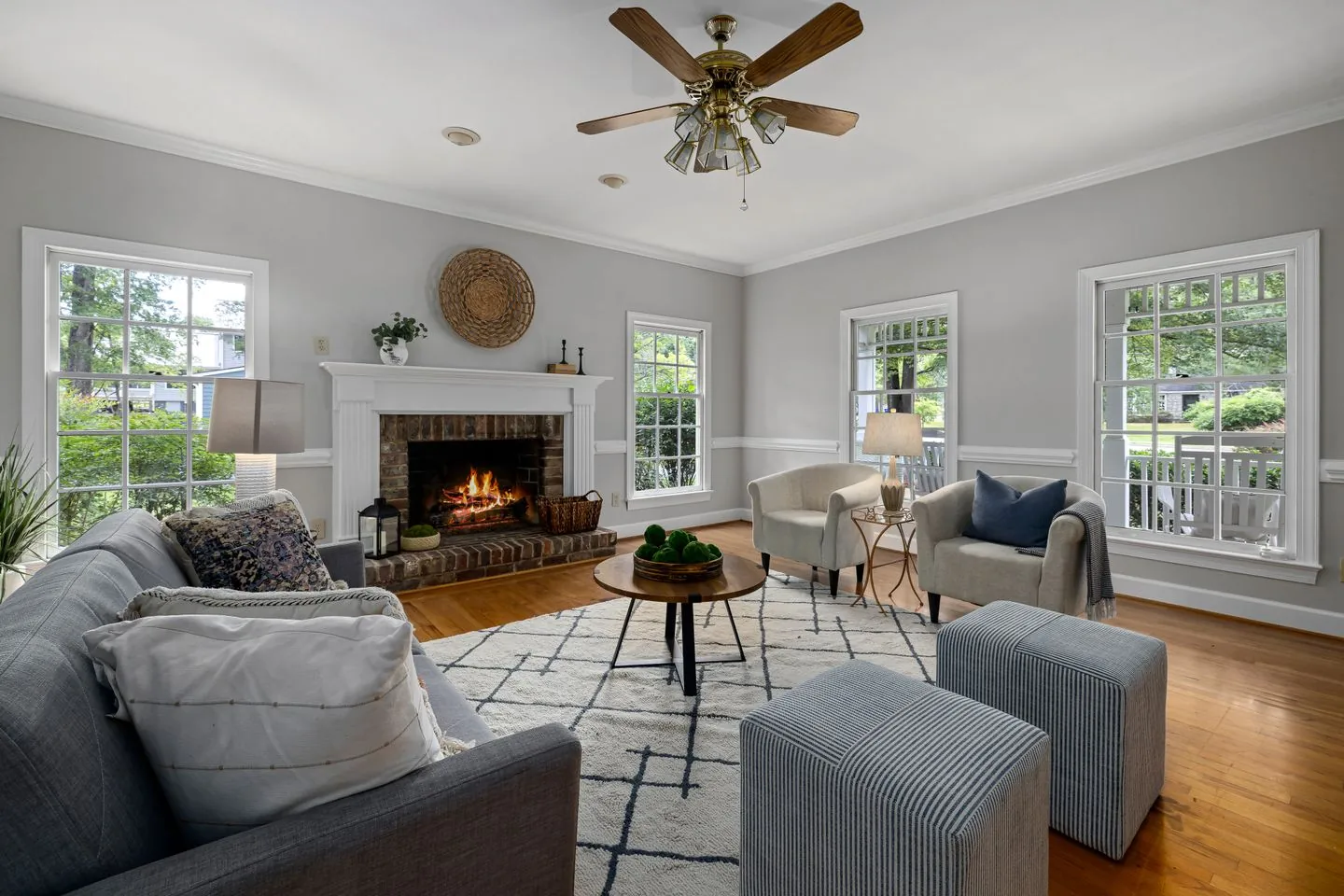
Clear the mantel or surrounding surface temporarily and look at the architecture. The fireplace may already provide enough detail through its shape, material or tilework. If so, a small number of objects will let those qualities remain visible. Decorating every ledge can conceal the very feature you want to emphasise.
Choose one relationship above it
Art or a mirror above a mantel should relate to the fireplace and the wall, not simply occupy all the available height. Try paper outlines before fixing anything. Check the view from the usual seats as well as the doorway, and consider what a mirror will reflect at that angle.
Avoid leaning heavy objects casually where they could fall. Use appropriate secure installation and respect any heat-related restrictions. If several smaller pieces are grouped together, leave enough visual space that the mantel does not become a narrow shelf crowded with unrelated possessions. One well-chosen object can be more convincing than a collection assembled only to achieve symmetry.
Bring seating into a comfortable relationship
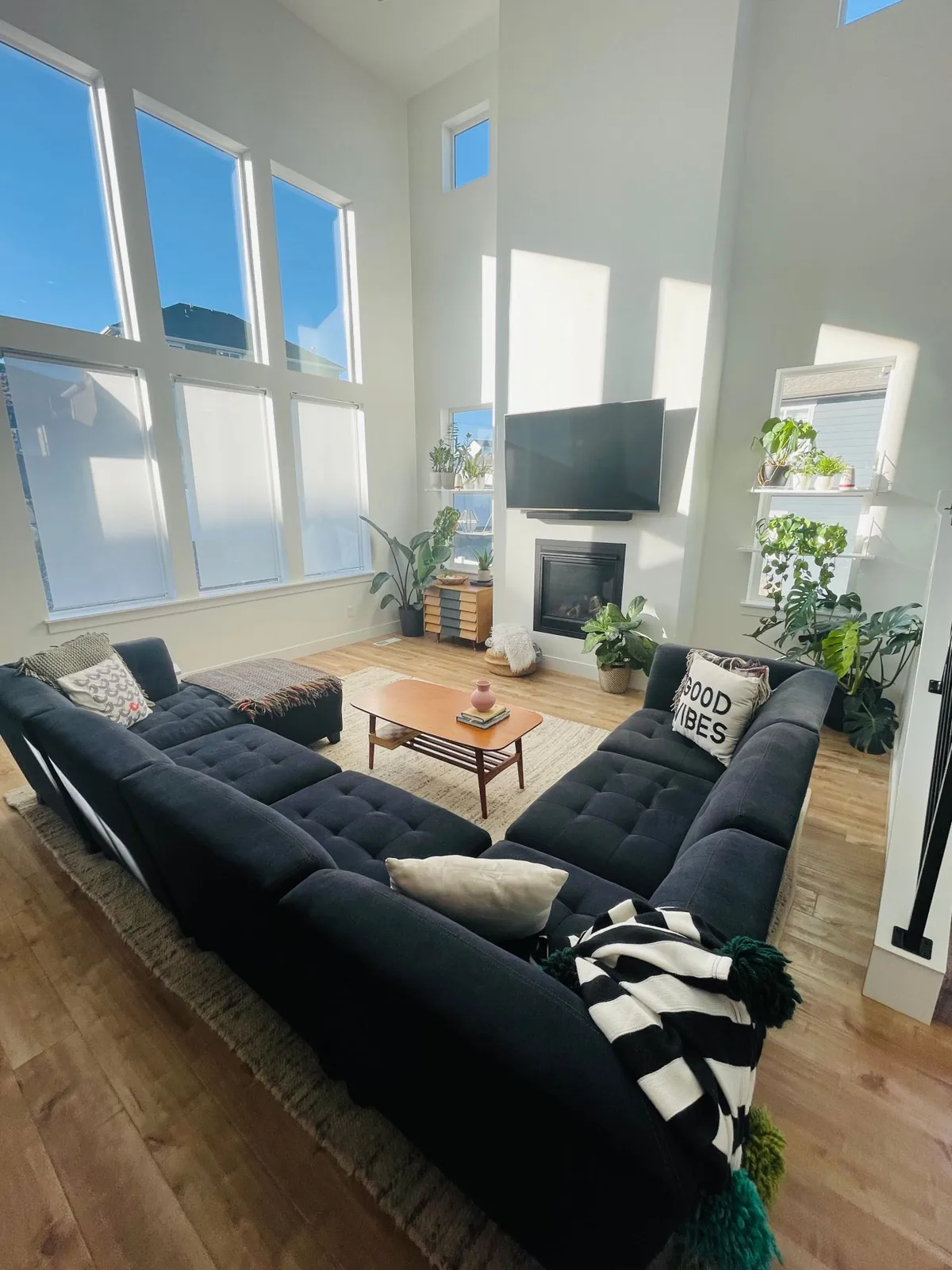
The fireplace may be a focal point without every chair pointing directly towards it. Arrange seats so people can converse and move easily, while preserving required clearances around a working fire. A sofa placed too close can make the whole wall feel crowded even if the mantel itself is simple.
Check side tables, baskets and lamps too. These smaller items often creep into the gaps around a fireplace until the floor becomes busy. Keep only those that support the seats nearby, and store fuel or accessories in an appropriate way for the specific installation. Decorative convenience should not override operational guidance.
Leave the wall with room to settle
Look at the complete elevation: fireplace, furniture, art and the objects at floor level. If every part competes equally, remove one layer. Perhaps the alcove shelves need fewer items, or a large floor lamp belongs elsewhere. Resist solving visual crowding by purchasing more coordinating accessories.
Spend an evening using the room before making the final decision. The fireplace wall should feel comfortable from a seated position and work with the rest of the space. A little breathing room allows its materials and proportions to carry the view, while the surrounding furniture continues to serve ordinary life.
Let the fireplace's shape lead, and give nearby furniture a clear supporting role.
A Swishover guide · Practical ideas to adapt to your own home.
Spotted something we should improve?