Make the entrance ready for wet things
Rain brings practical clutter before it brings atmosphere. Check where wet shoes, coats and umbrellas will go, and clear that space before the weekend begins. Use a suitable mat or tray for the floor, keeping edges flat and the route through the doorway clear. Damp items need a place to dry rather than being immediately packed into closed storage.
If several people share the entrance, give the arrangement enough capacity for an ordinary return home. A single attractive hook will not hold the family's wet outerwear comfortably. Keep only the items needed there and move dry, occasional coats elsewhere to make room.
Choose comfort that needs little preparation
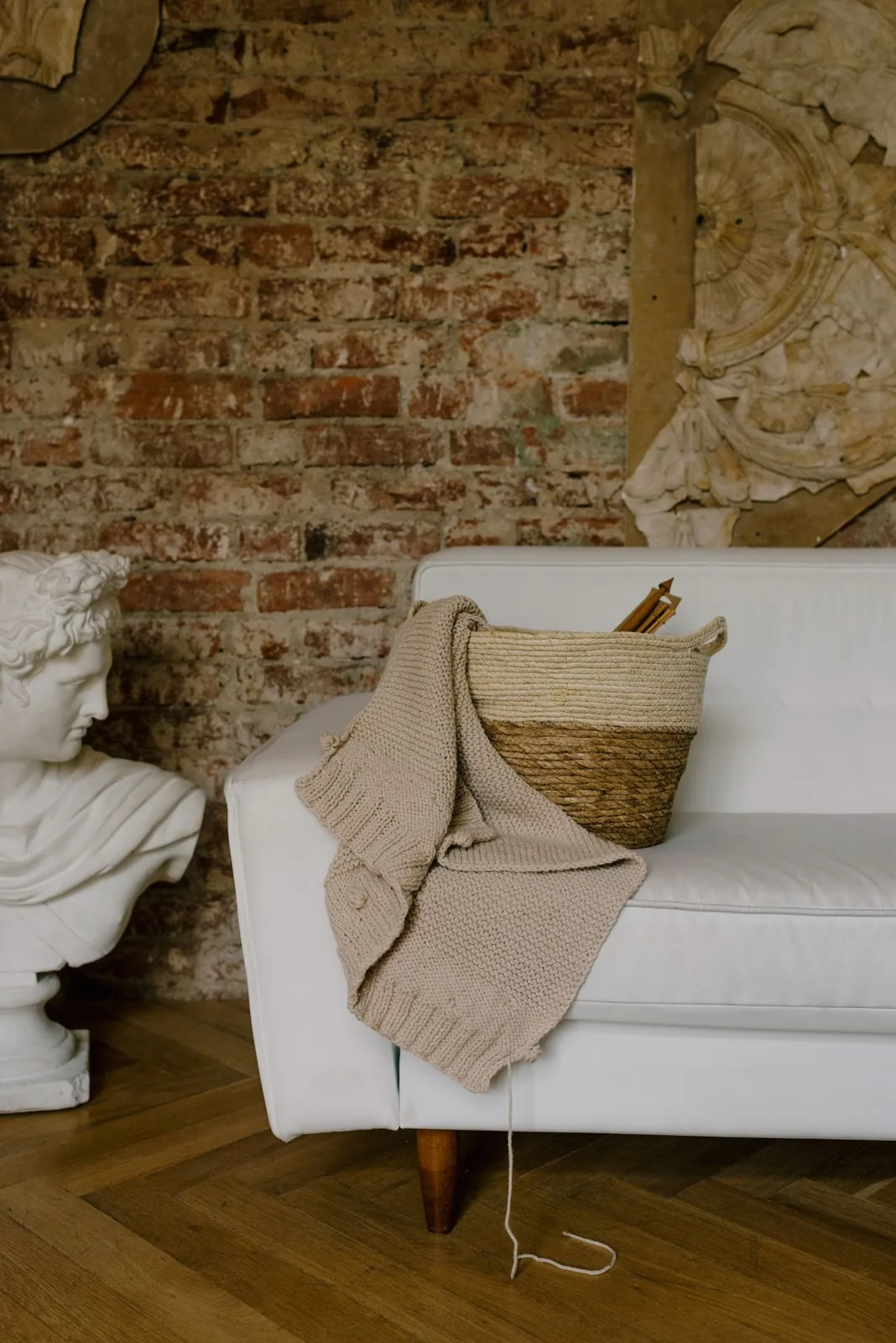
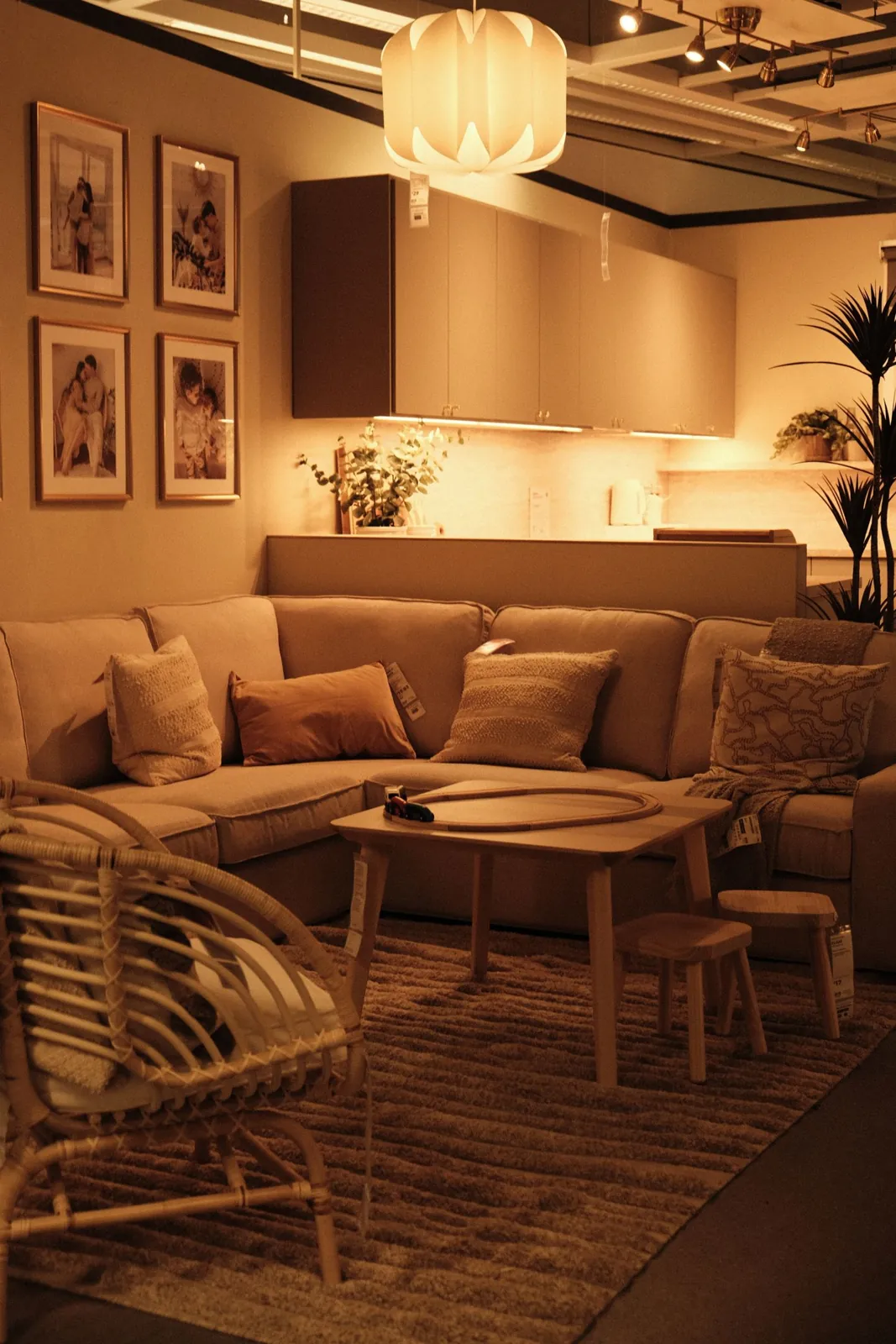
Bring an everyday throw within reach and make the usual seats ready to use. There is no need to redecorate the room for the weather. The useful changes are often removing a pile from an armchair, putting a reading lamp in a better position or clearing the table for a game.
Check the room's normal ventilation and heating arrangements and use them appropriately. Do not block vents or drape damp items over equipment where that is unsuitable. Comfort comes from a workable room and sensible household routines, not from sealing every opening or surrounding each seat with more textiles.
Have one or two indoor activities available
Pick activities that suit the people at home, whether that is a puzzle, a film, reading or a manageable cooking project. Gather the required materials in advance so the first step is easy. Avoid planning every hour; a rainy weekend may be welcome precisely because it leaves some unstructured time.
For shared activities, check that the table or floor space can be used without a long rearrangement. Keep a place for an unfinished project if it will continue later. This prevents the choice between clearing everything prematurely and allowing one activity to take over the entire room.
Simplify food rather than overstocking
Look at what is already available and decide on a few straightforward meals or snacks. The aim is to avoid unnecessary errands, not to buy supplies for an imagined emergency. Consider everyone's normal needs and use food according to its storage and date guidance.
A clear worktop makes even a simple lunch easier. Wash or put away the items that otherwise accumulate before cooking begins, and keep the ingredients for the chosen meals easy to find. One useful preparation step can make the weekend more relaxed than an ambitious menu that keeps somebody working in the kitchen all day.
Leave room for a change of plan
Weather may improve, visitors may arrive or the household may want different things. Keep the arrangements flexible enough that a brief walk or an unplanned meal does not require abandoning an elaborate setup. Store outdoor essentials where they can be found, with appropriate drying space ready for the return.
Use indoor time according to energy rather than obligation. A small household task can feel satisfying, but there is no need to turn rain into a mandate for sorting every cupboard. Choose one task if it helps, finish it and put the tools away so it does not become the background to the entire weekend.
Reset the useful parts before Monday
At the end of the weekend, focus on the entrance, kitchen and any shared activity surface. Return games and blankets, deal with damp items properly and make the next day's essentials accessible. This modest reset prevents a comfortable weekend from leaving a difficult morning behind it.
Keep the preparation that proved useful and forget the rest. Perhaps the best change was simply a clear chair beside a lamp. A home prepared for rain does not need a special look; it needs to handle wet arrivals and offer a few easy ways to spend time together or quietly alone.
Prepare for damp arrivals, easy meals and a few activities you already enjoy.
A Swishover guide · Practical ideas to adapt to your own home.
Spotted something we should improve?