Pick the place before the bunch
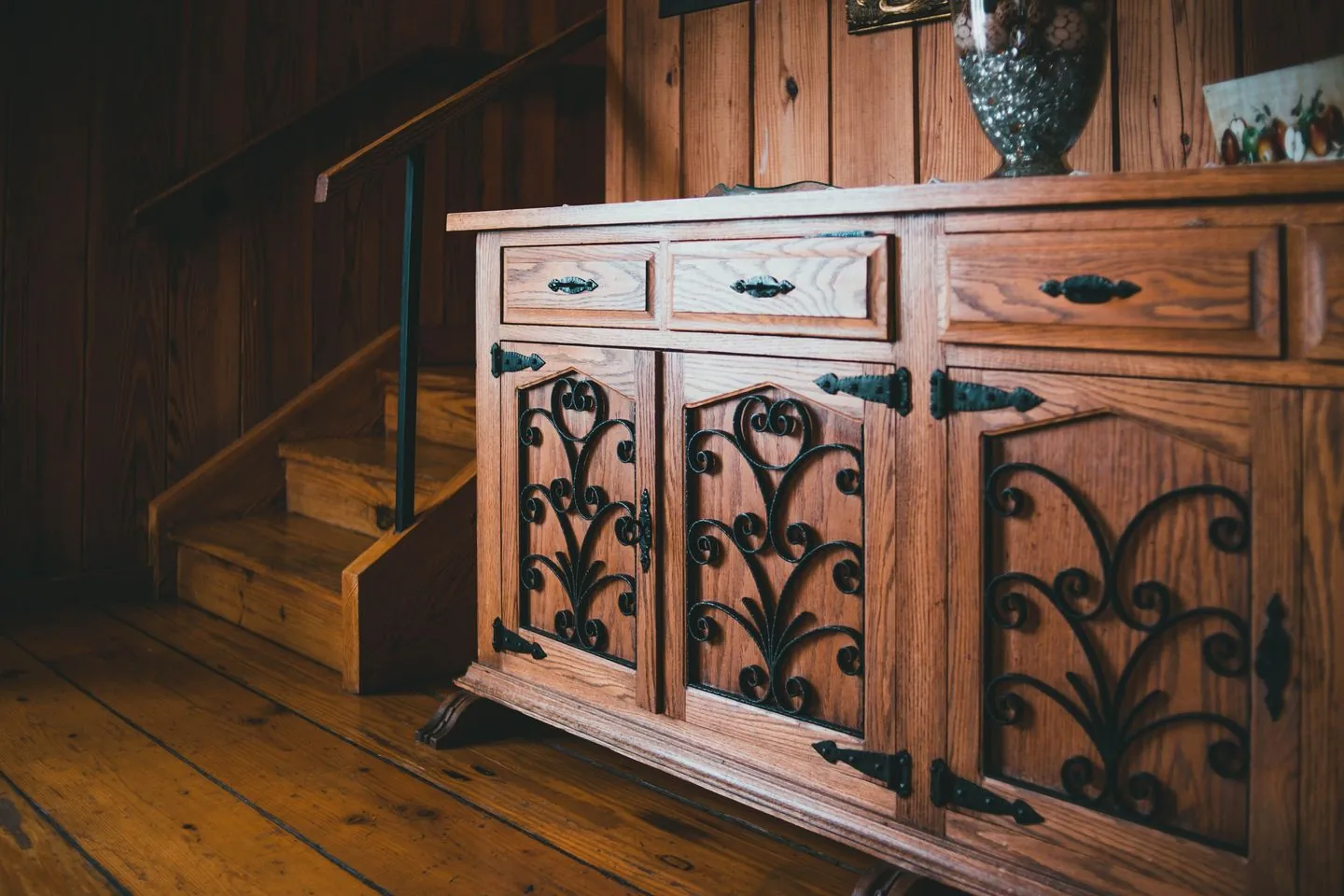
Think about where flowers will be seen during ordinary life: a breakfast table, a sideboard or a shelf near your usual chair. Check the usable surface and the surrounding activity. A tall arrangement in the middle of a dining table may block conversation, while a large vase beside the kettle may interfere with preparing drinks.
Choose a position away from places where it is easily knocked. Keep water and flowers clear of electrical equipment and paperwork. If pets or young children share the home, check the suitability of the flowers before bringing them in; some plants and cut flowers can be harmful, and placing them slightly higher is not always adequate protection.
Match the vase to a manageable amount
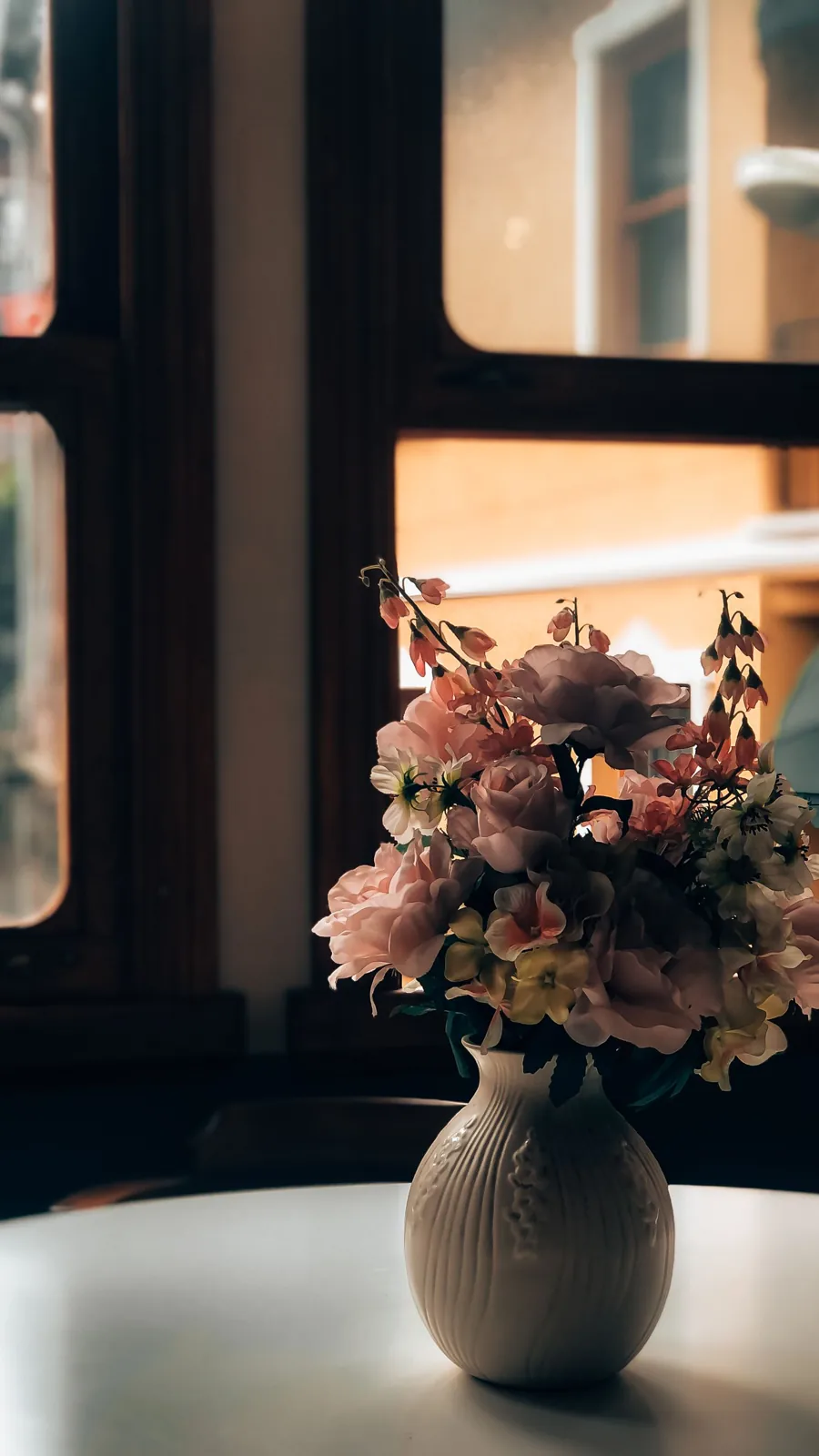
A small bunch can look comfortable in a modest vase without extra filler. Check that the opening supports the stems and that the container is stable when filled. An oversized vase may encourage buying more flowers than you need simply to make the arrangement look complete.
Use a clean container suitable for holding water. Decorative vessels are not always watertight, so check before placing one on furniture. Protect surfaces appropriately and look for moisture underneath during care. A favourite jug may work if it is suitable, but its appearance alone does not guarantee that it will keep a tabletop dry.
Follow the needs of the flowers
Different stems can require different handling, so use the supplier's care advice rather than assuming one method suits every bunch. Clean tools and a clean vase provide a sensible starting point. Remove foliage that would sit below the waterline where appropriate to the flowers, and use supplied flower food according to its directions.
Avoid improvised mixtures of household products. They can damage flowers or create unnecessary risks. If care information is missing, seek guidance for the specific flowers rather than relying on a generic recipe. The aim is a straightforward routine you understand, not an experiment carried out in a vase beside the sofa.
Arrange for the room, not a formal occasion
Keep the height and spread comfortable for the chosen place. Turn the vase and check it from the directions in which it will actually be seen. A sideboard arrangement may mainly face the room, while a dining-table vase is seen from all sides.
Let a few natural differences remain. Everyday flowers do not need to form a rigid dome or reproduce a professional arrangement. If a stem makes the bunch too wide for the table, place it in another suitable small vessel rather than forcing the whole arrangement into an inconvenient shape.
Make care part of an existing habit
Check the water and condition of the stems when you clear breakfast or tidy the room. Follow the appropriate care advice for changing water and removing declining material. A brief, regular check is easier than noticing several days later that the vase is dry or the water has become unpleasant.
Enjoy the bunch as it changes, but remove it when it no longer suits the space or its condition calls for disposal. Clean and dry the vase before storing it. Flowers can be an occasional pleasure rather than a permanent requirement, adding a small living detail to an ordinary room without creating another display that must always be maintained.
Choose the spot and vase together, then keep care simple and consistent.
A Swishover guide · Practical ideas to adapt to your own home.
Spotted something we should improve?