Agree on what needs to be ready
People often mean different things by a tidy room. One person wants a clear floor, another wants every cushion arranged, and someone else only needs to find the remote. Start with the practical outcome the household can share: safe routes, usable seats and a table ready for the next activity, for example.
Keep that common standard separate from personal preferences. It is easier to work together when the essential tasks are clear and achievable. A room does not have to look untouched to be ready for use, and a decorative detail should not carry the same weight as an item blocking a doorway.
Check whether the homes make sense to everyone
Ask another household member to put away a few ordinary objects without instructions. Hesitation can reveal an unclear system rather than unwillingness. The box that seems obvious to its organiser may look like one of several identical containers to somebody else.
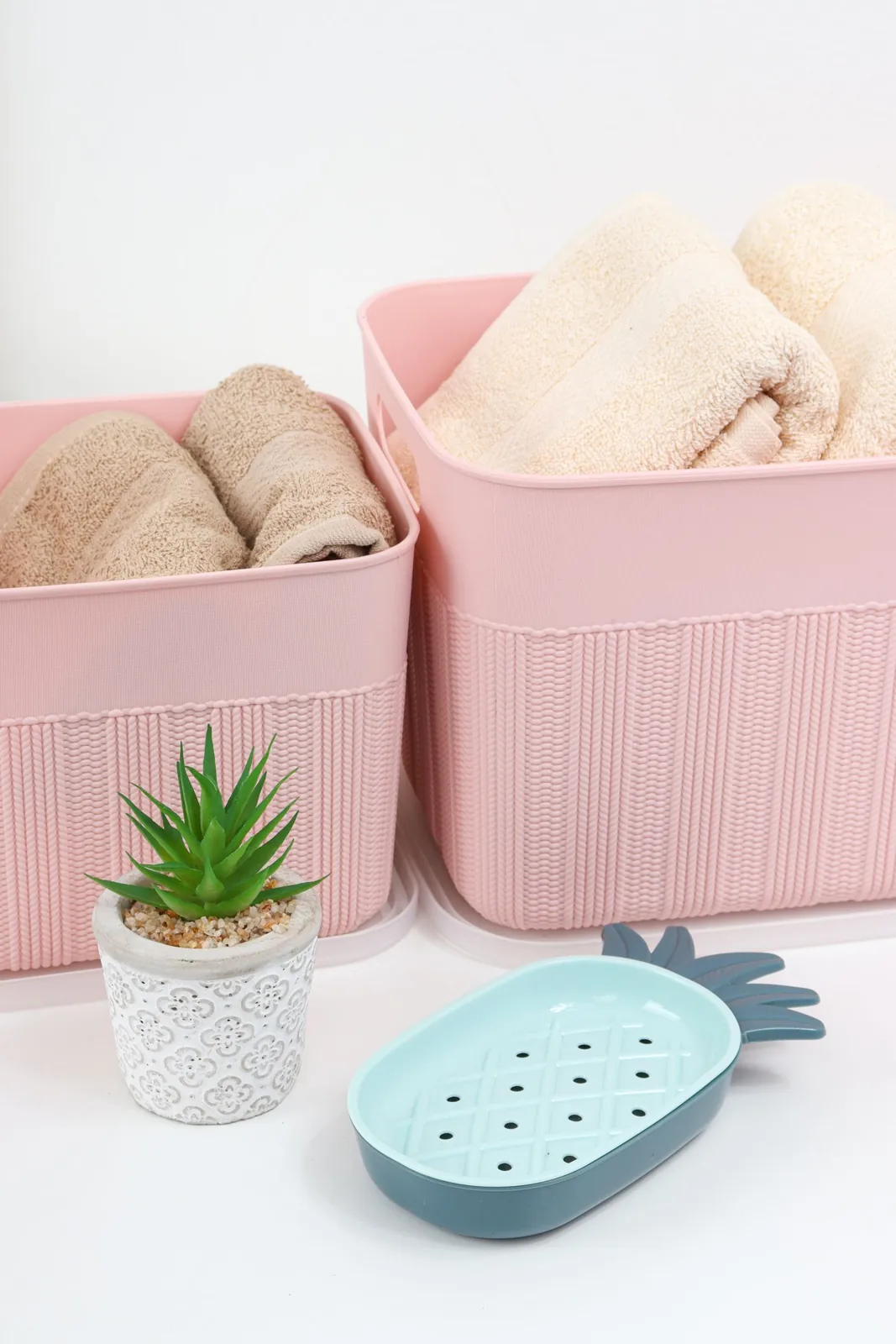
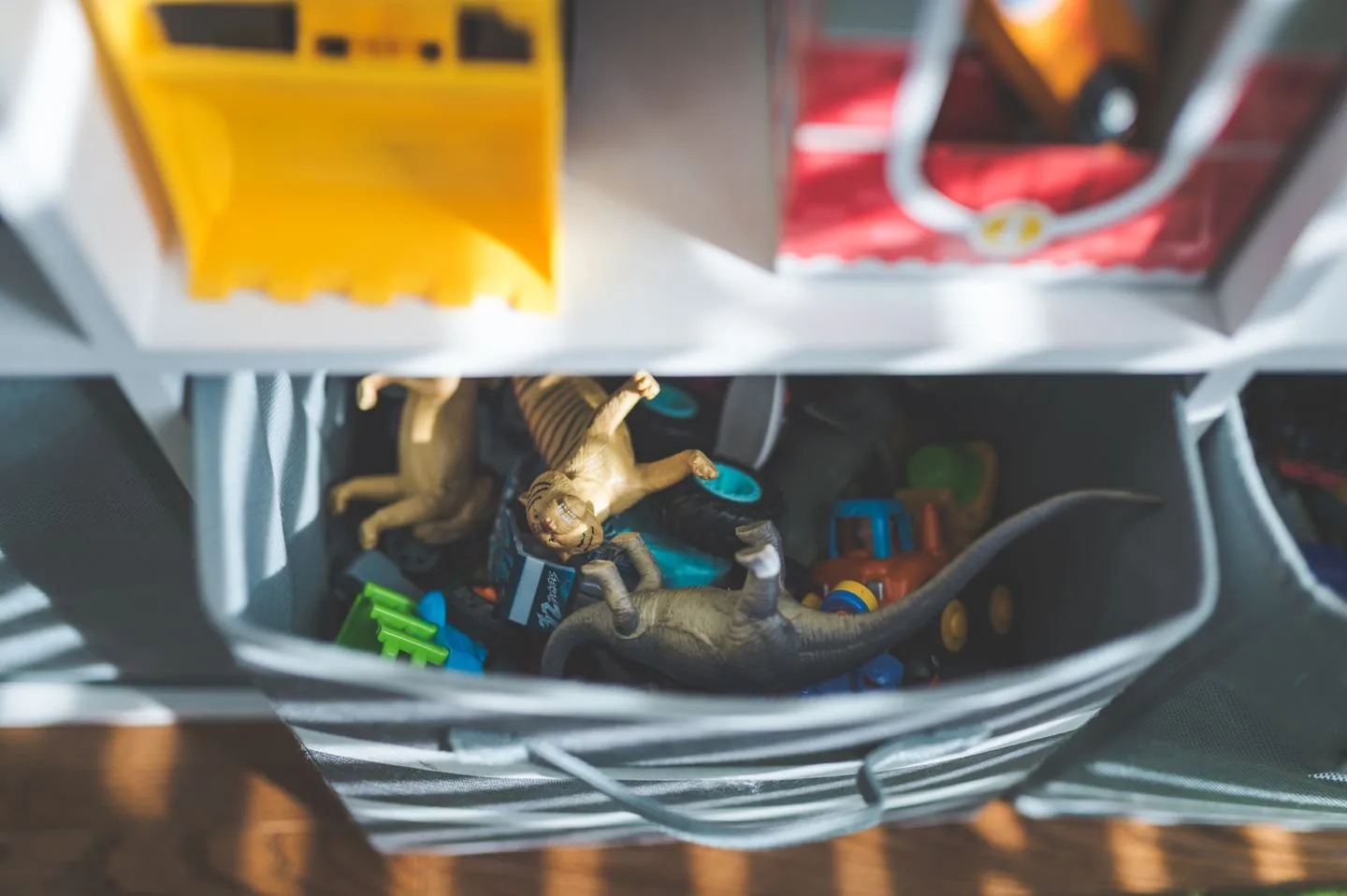
Use simple categories connected to activities: current games, charging accessories or reading materials. Labels or pictures can help when appropriate, but they should clarify a workable arrangement rather than compensate for too many subdivisions. Keep frequently used things near their place of use so returning them feels like part of the activity.
Remove unnecessary steps
A storage home is less likely to be used if it involves moving a chair, lifting a heavy lid and rearranging other contents. Watch the action of putting something away and simplify where possible. A drawer that opens easily or a shallow container may support shared tidying better than a more elaborate organiser.
Consider reach and strength as well. Children and adults have different abilities, and a system should not depend on everybody managing the same high shelf or heavy basket. Keep hazardous or fragile items appropriately controlled while making safe everyday belongings accessible to their intended users.
Make a small reset predictable
Choose a natural transition, such as before dinner or after the last shared activity, for a brief reset. Allocate clear tasks rather than asking everyone to make the whole room tidy at once. One person can return games while another clears cups and someone else resets the seating area.
Avoid making speed the only measure. The goal is to leave objects in usable homes, not sweep them into a mystery container. A short routine is useful because it is manageable, but it should still preserve the information needed to find things tomorrow. Adjust its scope if it regularly becomes a long sorting session.
Keep exceptions visible and limited
An unfinished project or a book currently being read may reasonably remain out. Give these exceptions a defined place so they are not mistaken for forgotten clutter. A tray, shelf or suitable project board can signal that something is still active without allowing it to spread across the entire room.
Review those places together occasionally. If they are always full, some items may need to be finished, stored properly or let go. This is a decision about the system's capacity, not proof that the household has failed to follow it. Shared rooms need arrangements that can adapt to changing interests and routines.
Change the system when the same problem returns
If shoes always gather beside a particular chair, investigate why. The existing storage might be inconvenient, full or unsuitable for damp footwear. Repeated reminders will not fix a practical mismatch. A small relocation or a clearer limit may solve the problem more reliably.
Notice what now works without prompting and preserve it. Tidying together becomes easier when the room's organisation is understandable to everyone using it. The result is less dependence on one person remembering where everything goes and more confidence that the space can be returned to useful order by the household as a whole.
Use clear destinations and a small shared routine instead of relying on one person's private system.
A Swishover guide · Practical ideas to adapt to your own home.
Spotted something we should improve?