Identify the wall's role
A picture above a sofa has a different relationship to the room from one on a narrow hallway wall. Start by deciding where the artwork will be viewed and what surrounds it. Look from the doorway, from nearby seating and while walking past. The wall may need one substantial piece, a small intimate work or no art at all if it already contains a strong architectural feature. Avoid choosing solely by the amount of empty plaster. Artwork should relate to the way the room is experienced, rather than serve as a patch for every uncovered surface. A meaningful piece can work at a modest scale when it has a clear position.
Measure the visible frame
Measure the finished artwork including its frame and any mount. An image size can be misleading when a broad frame adds considerable width. If choosing a new piece, mark a few possible sizes on the wall with paper templates attached in a way suitable for the surface. This helps reveal whether the work will feel isolated or crowded beside furniture.
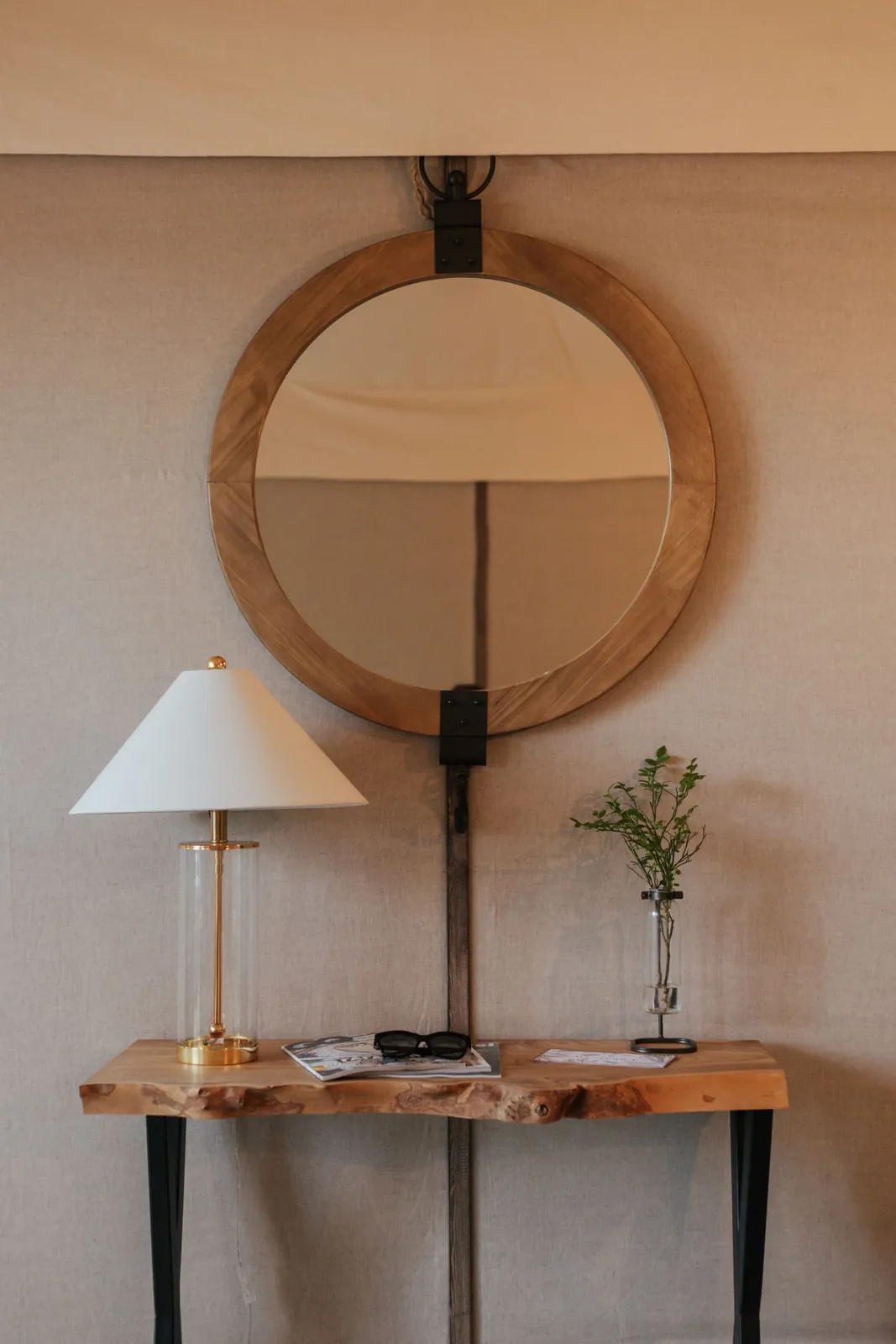
Above a sofa or console, consider the relationship to that furniture rather than automatically centring on the whole wall. A picture that belongs to the seating group may sit off the wall's architectural centre but feel more coherent from the room. Leave enough separation that the frame does not appear to rest accidentally on the furniture below.
Find a comfortable viewing height
Begin with the height at which the work is naturally viewed in that room. Standing eye level can offer a starting point in a hallway, while a piece above seating may need to relate more closely to seated views and the furniture beneath. There is no single measurement that suits every ceiling height, frame size and use.
Use the paper template to test the position before making holes. Sit down, stand back and approach from the normal route. Check that the artwork is not hidden behind a lamp or constantly interrupted by an opening door. If it seems too high, lower the template and compare; pictures often drift upwards because empty wall above them attracts attention.
Decide whether one piece is enough
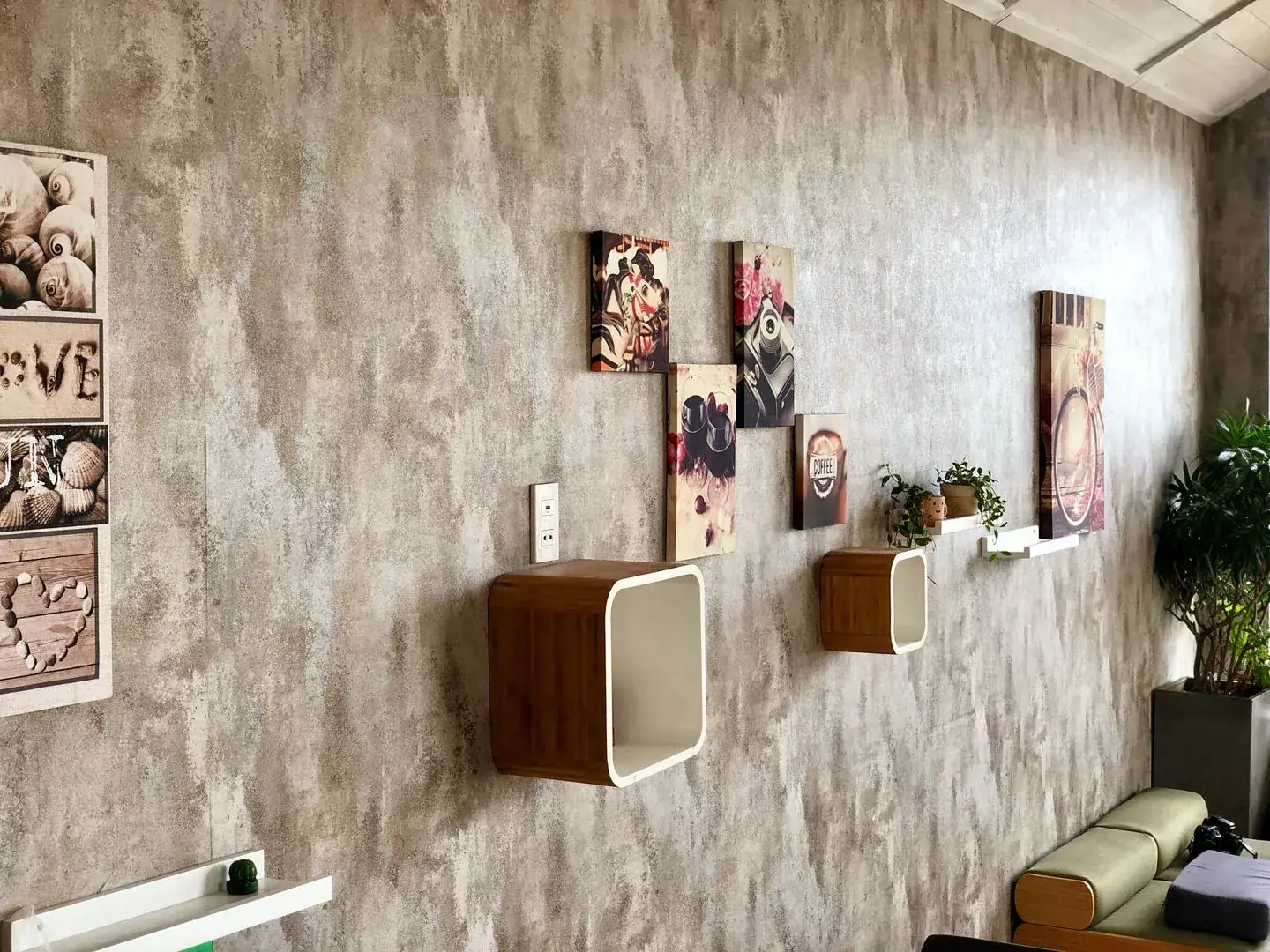
A larger single artwork can provide a clear focus, while a group of smaller works can reflect a collection. If grouping, plan the outside shape and spacing together rather than hanging one frame and improvising outward. Lay the arrangement on the floor first, then transfer its footprint to the wall with paper. Keep gaps consistent enough to feel deliberate without forcing unrelated frame shapes into a rigid grid.
Small work can also stand alone on a narrower wall or above a modest piece of furniture. Do not enlarge its frame purely to make it compete with a large sofa if another position would let its details be appreciated more comfortably.
Protect and hang it properly
Consider light, humidity and the artwork's materials when choosing the final location. Direct sunlight can affect some works, and damp rooms may be unsuitable for vulnerable paper or frames. Follow any care guidance for the piece. Use hanging hardware appropriate to the frame's weight, construction and wall type, checking for concealed services before drilling. In a rented home, obtain any required permission.
Once hung, confirm that the work is secure and level, then view it in both daylight and evening light. Glare may require a small change in position or lighting rather than a different picture. The right fit comes from scale, sightline and safe installation together, allowing the artwork to belong to the room without having to dominate it.
Test the full frame size with paper, relate it to the furniture and choose secure fixings for the actual wall.
A Swishover guide · Practical ideas to adapt to your own home.
Spotted something we should improve?