Measure the books as well as the wall
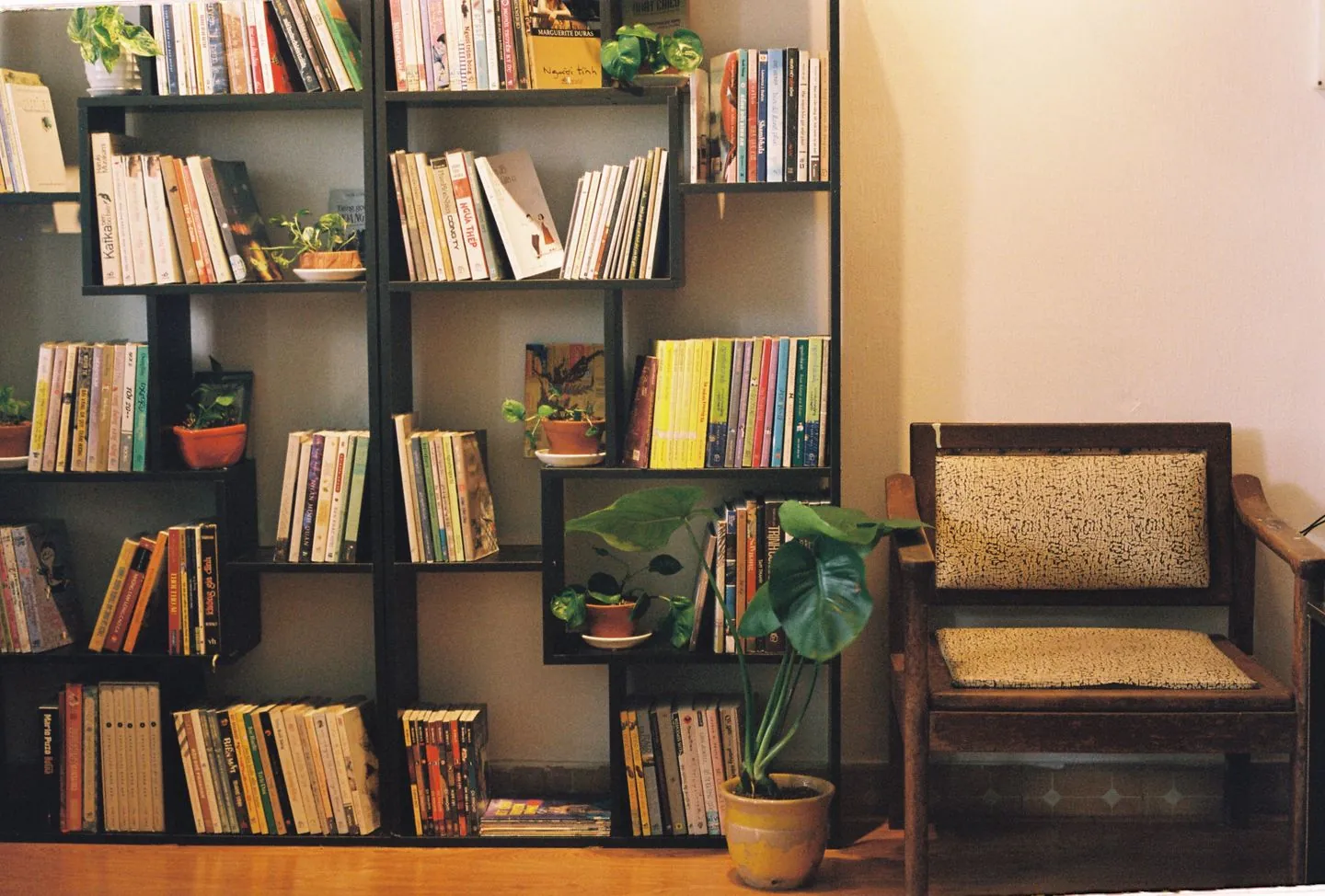
Book collections vary widely. Paperbacks, large illustrated volumes and folders need different shelf depths and heights. Measure a representative selection, including the largest items you intend to store. Count the approximate shelf length currently occupied rather than estimating from a pile on the floor. This gives you a more useful starting point than choosing the tallest unit that fits the wall.
Decide what belongs in the bookcase. If it will also hold display objects or files, include those requirements now. Avoid purchasing excessive capacity simply because the empty shelves look attractive in a catalogue. A little spare room is useful, but a much larger piece may occupy floor space the room needs for movement or another activity.
Inspect the shelf specification
Check shelf depth, clear height and load guidance for the exact unit. Books can be heavy, and broad unsupported spans may not suit every load. Follow the manufacturer's limits rather than judging strength from shelf thickness alone. Adjustable shelves can help accommodate different sizes, provided their supports are used correctly and the resulting arrangement remains stable.
Ask whether stated dimensions include decorative edges, back panels or projecting parts. Internal usable space may be smaller than the overall figure. Check how securely the back and shelves are fitted and whether assembly is required. A bookcase should support the collection properly, not rely on tightly packed books to disguise an unstable structure.
Plan stability before delivery
Tall or otherwise specified furniture may require anchoring. Check the instructions and the wall construction, obtaining suitable help where necessary. If you rent, discuss required fixings before purchase. Do not buy a unit that needs restraint and then leave it unsecured because the intended wall is inconvenient.
Consider children, pets and the possibility of someone reaching for a high shelf. The bookcase is not a ladder; everyday books should be placed where they can be retrieved safely. Keep heavy items in appropriate positions according to the furniture guidance and avoid adding unstable stacks above the top. Stability is part of choosing the product, not an optional finishing task.
Find a suitable place for the collection
Look at sunlight, moisture and nearby heat sources. Books deserve a dry, suitable environment, and delicate or valuable items may need more specific conservation advice. Leave access for cleaning and inspection rather than pressing every surface tightly into an awkward corner. A place that looks ideal visually may expose the collection to conditions you would rather avoid.
Check the room with the bookcase footprint marked out. Doors, drawers and walking routes should remain usable. A shallow unit may suit a narrow room, but only if the books fit safely without projecting excessively. Delivery access and assembly space also matter, especially for a large unit that must be built flat before being raised.
Choose access over perfect styling
Arrange frequently used books where they are easy to find, and leave enough space to remove one without dragging its neighbours. Suitable bookends can support shorter rows. Decorative groupings are optional; readable titles and comfortable retrieval may matter more. Before ordering, compare the book measurements, shelf capacity and room position together so the purchase supports a living collection rather than an idealised display.
Buy for the collection you use, with suitable support and a little sensible room to grow.
A Swishover guide · Practical ideas to adapt to your own home.
Spotted something we should improve?