Decide what you need to see
A full-length dressing mirror, a small entrance mirror and a decorative wall piece serve different purposes. Name the job first and check the required view from the positions where it will be used. A mirror may be large overall but have a small reflective area because of a broad frame. Compare the actual glass dimensions as well as the outer size.
Consider the users' heights and the available viewing distance. Test with a paper outline or an existing mirror where practical and safe. Do not assume a shape that looks elegant above a console will also provide a useful dressing view. The intended task should guide its proportions before the frame style settles the choice.
Inspect the likely reflection
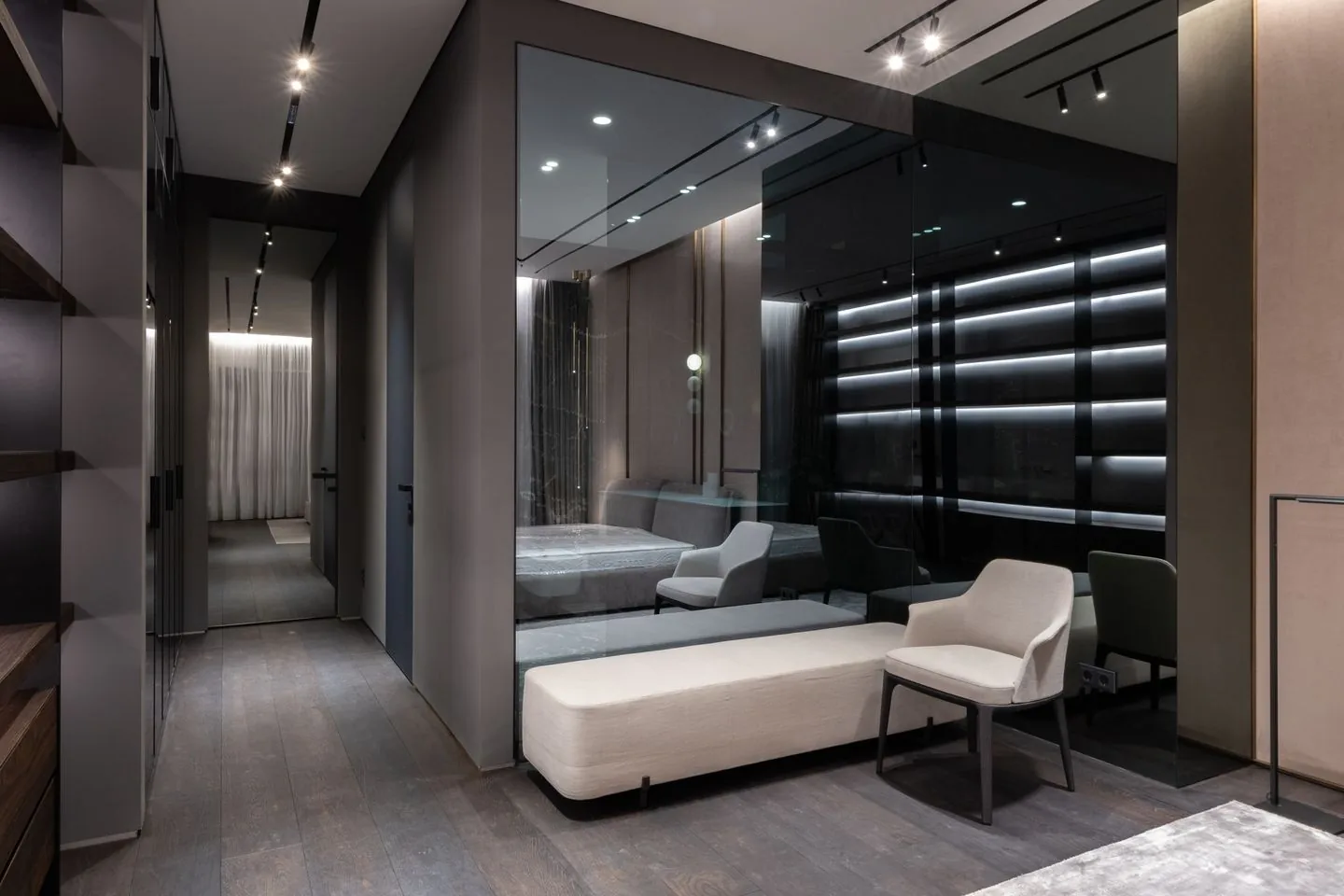
Look at what faces the proposed wall. A mirror can repeat a pleasant part of the room, but it can also amplify a crowded cupboard or reflect an exposed lamp. Check from the doorway and normal seats, not only directly in front. The reflection changes as people move, and that is part of the object's effect on the room.
Think about sunlight and glare. Avoid positions where the reflection creates discomfort, and take particular care with magnifying or curved mirrors that may concentrate light. A mirror is not a substitute for adequate room lighting. Its position should make an existing view or task more useful rather than promising a general transformation regardless of what surrounds it.
Match the product to the environment
Bathrooms and other damp locations need suitable products and installation. Read the specification rather than assuming any framed mirror can tolerate regular moisture. If lighting, heating or other electrical features are included, use the appropriate professional installation and follow all relevant product guidance. These features change the purchase beyond a simple decorative object.
For a dry bedroom or hallway, still consider cleaning and frame care. Ornate details may collect dust, while some finishes need particular treatment. Inspect the reflective quality where possible and check for visible defects or distortion. Product photographs cannot always reveal those details, so review delivery inspection and return arrangements before ordering.
Understand how it will be secured
Check the weight and the manufacturer's fixing instructions. The correct installation depends on the mirror and the wall construction, not just the supplied screws. Obtain suitable advice or help when uncertain. Heavy glass should not be hung from an improvised attachment simply because it appears to hold during a quick test.
Leaning mirrors may also require restraints according to their design. Consider children, pets and passing traffic, and do not treat leaning as a way to avoid stability requirements. Freestanding models need enough clear floor space to remain secure in use. Plan this before purchase so the chosen location can support the intended installation safely.
Check delivery and final dimensions
Measure the route into the home and allow for handling a large fragile item. Confirm who installs it, what packaging must be retained for a return and how transit damage is reported. Recheck the outer dimensions against nearby furniture and fittings. A worthwhile mirror has an understood place, a useful view and a secure installation; the frame can then add character without compensating for practical uncertainties.
Buy a mirror for a suitable position and purpose, with an installation plan already understood.
A Swishover guide · Practical ideas to adapt to your own home.
Spotted something we should improve?