Count the active pairs
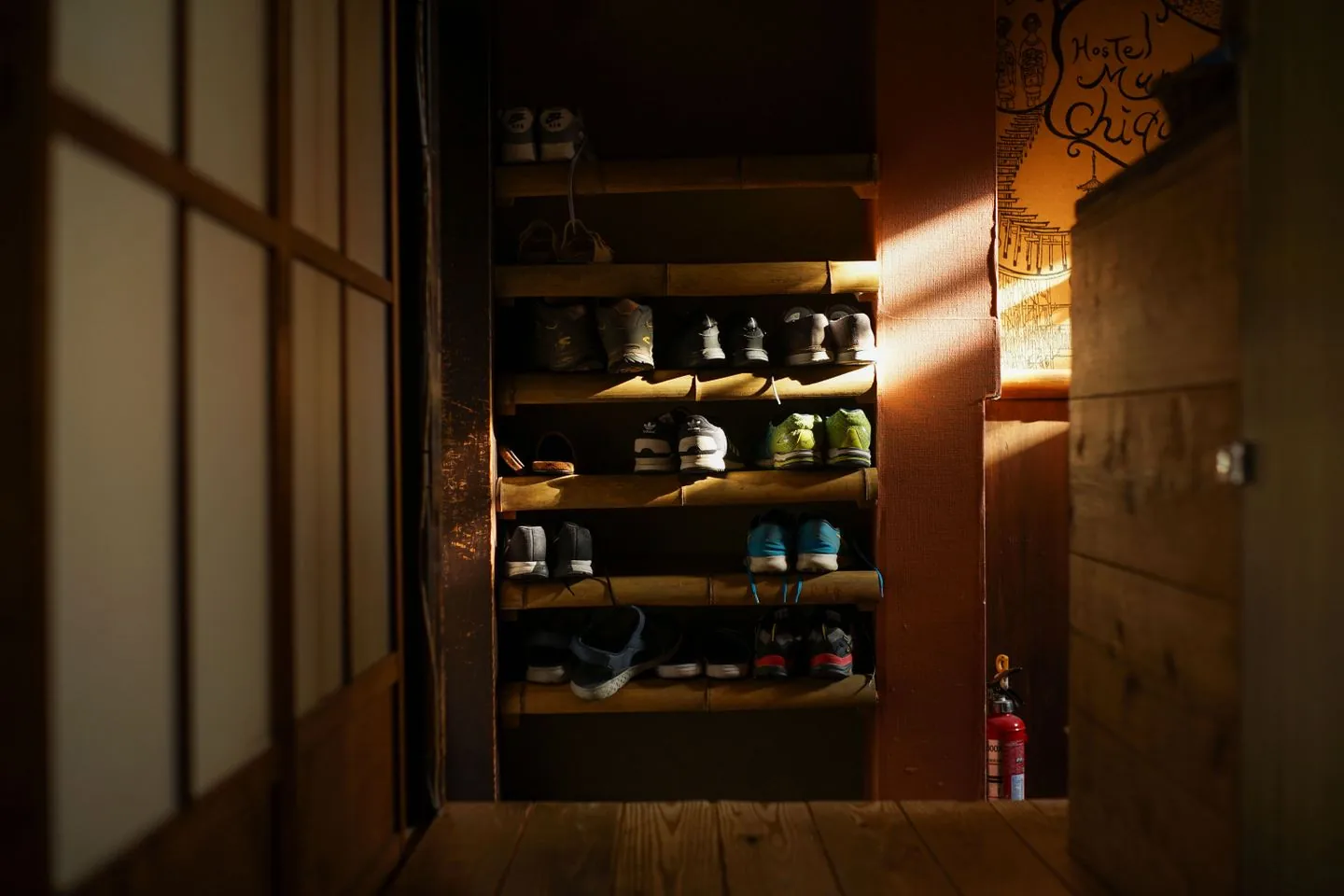
The entrance rarely needs to hold every shoe in the household. Start with the pairs being worn this week and note how many arrive at the door each day. Include school shoes, trainers and outdoor footwear where relevant, but move occasion shoes and out-of-season pairs to another suitable location. This gives the entryway a manageable job. A rack that is constantly overflowing may be serving as a permanent archive when it should handle a short rotation. Agree a realistic allowance for each person, taking different routines into account. Someone who changes footwear for work may need more active space than someone who wears one pair throughout the day.
Fit the actual footwear
Measure the longest shoes, the widest pair and any boots before selecting shelves. A rack described as holding a certain number of pairs may assume smaller shoes or a tight arrangement that is awkward in practice. Allow room to grasp each pair without pulling out its neighbours. Sloping shelves can suit some footwear but may let smooth soles slide; check the retaining edge and the angle. Boots need enough height to avoid folding or crushing them unnecessarily. If the available space is shallow, try alternating the direction of shoes on a level shelf, but only if this remains easy to follow when people return home tired or carrying bags.
Plan for wet arrivals
Rainy footwear needs a drying stage before enclosed storage. A washable tray can catch drips near the entrance, provided it sits out of the walking route and does not obstruct the door. Follow the footwear maker's care guidance rather than placing shoes against strong direct heat. Let the tray and the surrounding floor dry, too; a permanent wet patch beneath a tidy rack is still a problem. Keep brushes or cleaning materials nearby only if they have a safe, appropriate home. When shoes are dry, return them to their normal shelf so the drying area is available for the next arrival instead of becoming an extra layer of storage.
Make returning easier than dropping
Position daily footwear where it can be put away in one simple movement. A low open shelf often works well, while a closed cabinet can look quieter but adds a door to the routine. Neither is inherently better; choose according to the household and the available route. Young children need a reachable place that does not invite climbing. If a bench is used for changing shoes, check that its storage remains accessible while somebody is seated. Keep the floor around it clear enough to place both feet securely. A rack hidden behind a full coat stand may be technically close to the door but practically too inconvenient to use.
Store the quieter pairs carefully
Clean and dry occasional footwear before putting it away, using storage suited to its material and care needs. Label boxes by contents rather than relying on identical lids to reveal what is inside. Keep the pairs most likely to return to use within reach, with less frequent footwear higher or farther back. Revisit the active rotation as the season changes, moving pairs in both directions rather than only adding more to the entrance. If a particular pair never leaves its box, consider whether it still belongs in the collection. The useful result is a visible, accessible set of shoes at the door and a separate place for the rest.
Give current footwear an easy return point and let wet shoes dry before they enter enclosed storage.
A Swishover guide · Practical ideas to adapt to your own home.
Spotted something we should improve?