Start outside the photograph
Picture coming through the door with shopping, a wet coat and a bag that needs to be put down immediately. The entrance should support that sequence. A beautifully arranged console is less helpful if its entire surface is occupied by ornaments and the nearest coat hook is behind the open door.
Watch how the front door moves and where a person naturally stands while closing it. Keep that area clear before adding storage. Check that anything placed nearby does not interfere with locks, access controls or the route out. An entrance has to work quickly when several people arrive together, not just when one person pauses to admire it.
Separate wet things from clean things
Wet shoes and umbrellas need a destination that can cope with moisture. Choose a tray or mat appropriate for the flooring and allow items to dry before they go into enclosed storage. A deep basket may conceal the mess, but it is a poor place for damp footwear that cannot air properly.
Coats should have enough room to hang without being packed into a dense bundle. If the entrance is very small, keep only the current everyday coats there and move occasional ones elsewhere. This gives the available hooks a clear purpose and stops winter layers from narrowing the passage all year.
Make small objects easy to retrieve
Keys, a travel card and sunglasses need a specific landing place. A shallow dish inside a drawer, a compact wall pocket or a small tray can work. Choose according to the household rather than buying several competing organisers. If everybody uses one tray, make it large enough that objects do not disappear beneath envelopes.
Keep items you would not want visible from an open doorway in a more discreet position. Post can have its own temporary slot, but decide when it is emptied. Without a clearing habit, a post holder becomes a permanent archive and the useful landing space disappears under paperwork.
Add a seat only when it helps
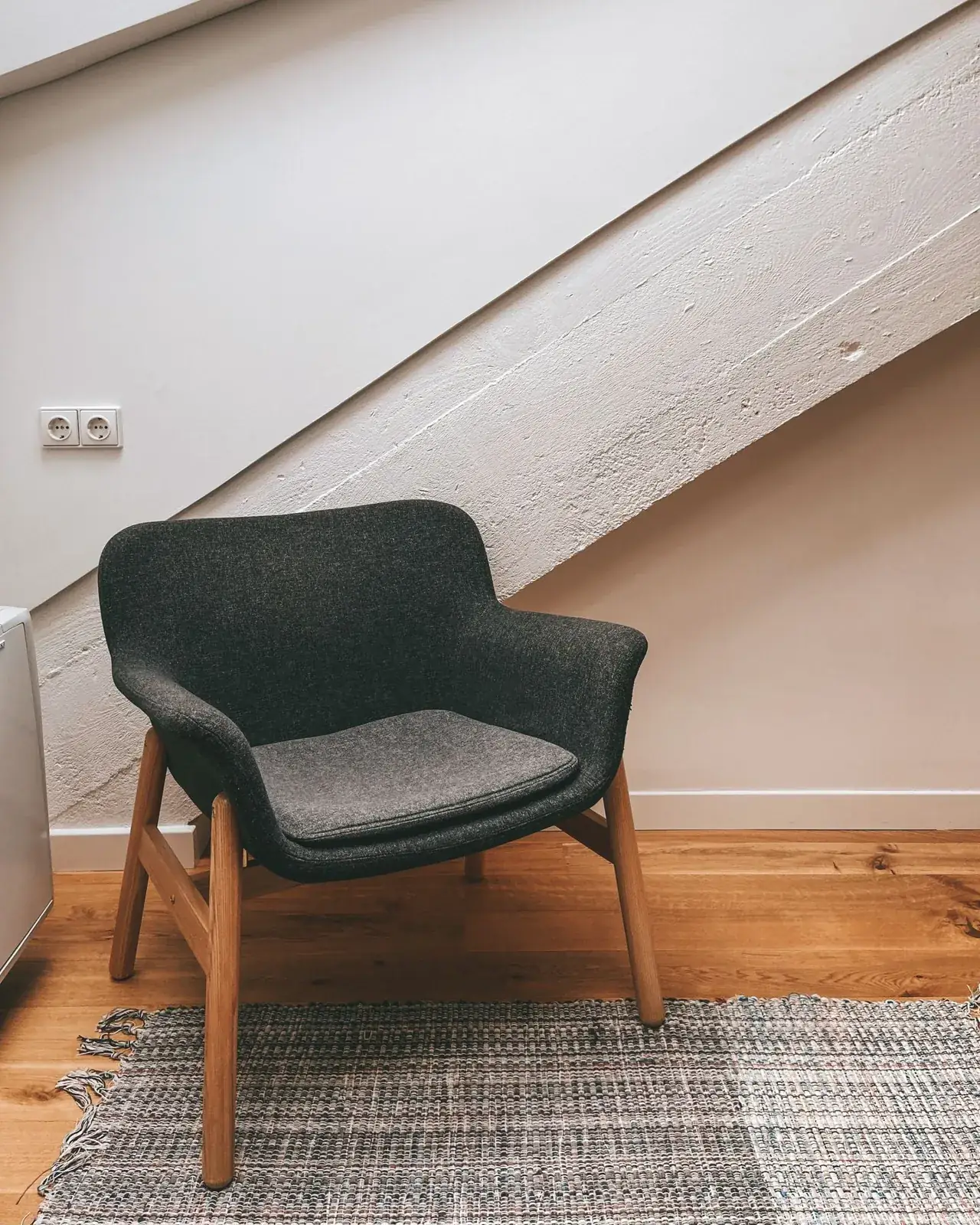
A place to sit while putting on shoes can make an entrance considerably more comfortable. It needs to fit without blocking the passage, and it should be stable enough for its users. A narrow bench may be suitable, but a sturdy chair placed nearby can be just as effective in an awkwardly shaped hall.
If there is no room for a seat, avoid squeezing in a decorative stool that nobody can use properly. Focus instead on accessible shoe storage and a clear place to stand. Furniture should solve an everyday action. The fact that benches often appear in entrance photographs does not make one essential in every home.
Give the practical arrangement some warmth
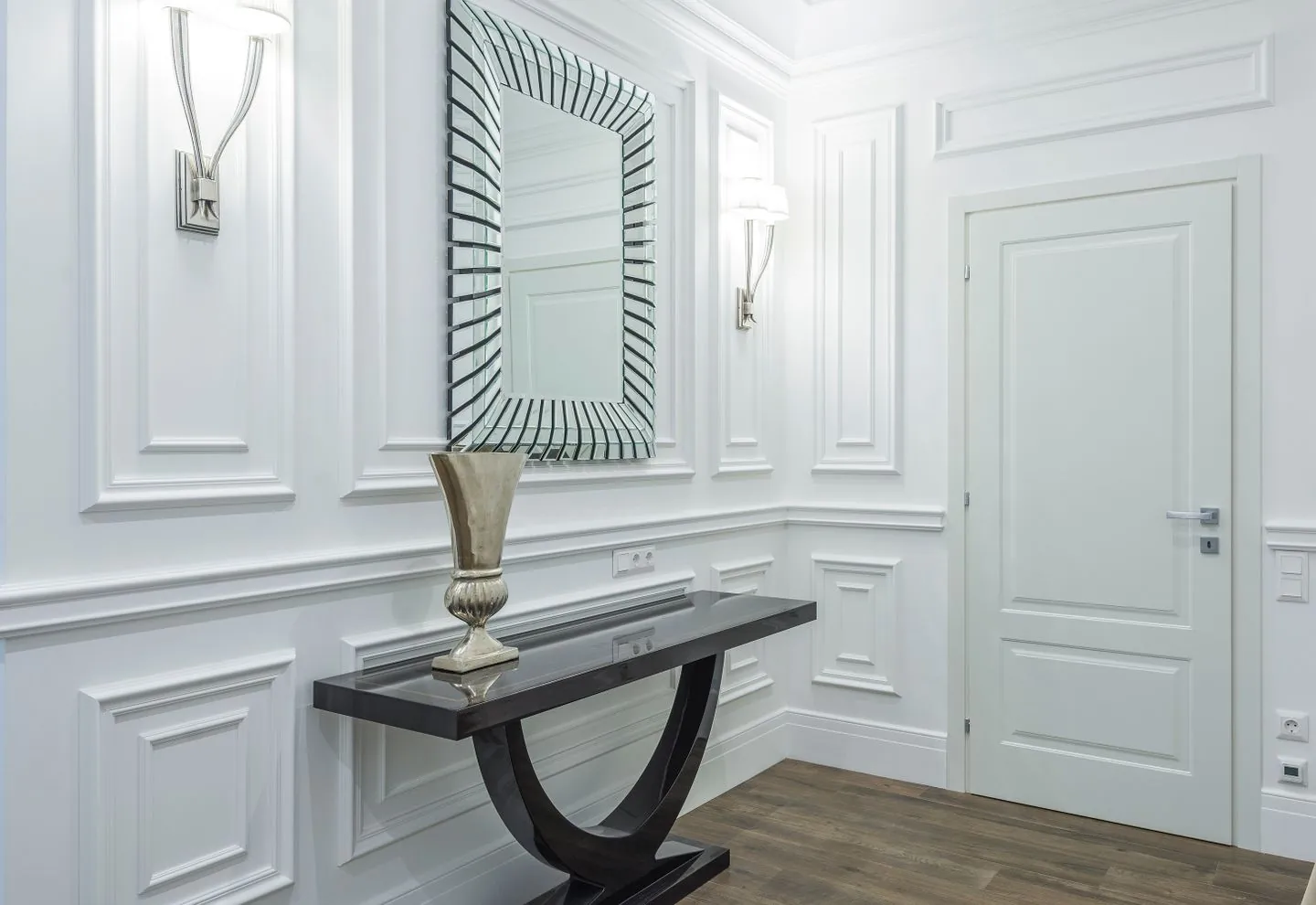
Once the storage works, choose one or two details that make arriving pleasant. A print you enjoy, a welcoming wall colour or a light that reaches the darker end of the hall may be enough. A mirror can help with a final check before leaving, but position it where it is useful rather than automatically opposite the door.
Walk through after dark with your hands occupied. Can you reach the light and put things down without balancing them on the floor? Then check the morning departure. A welcoming entrance should help you leave as easily as it helps you arrive, with the familiar things waiting where you expect them.
Design the first few steps around arriving with full hands.
A Swishover guide · Practical ideas to adapt to your own home.
Spotted something we should improve?