Walk through before you move anything
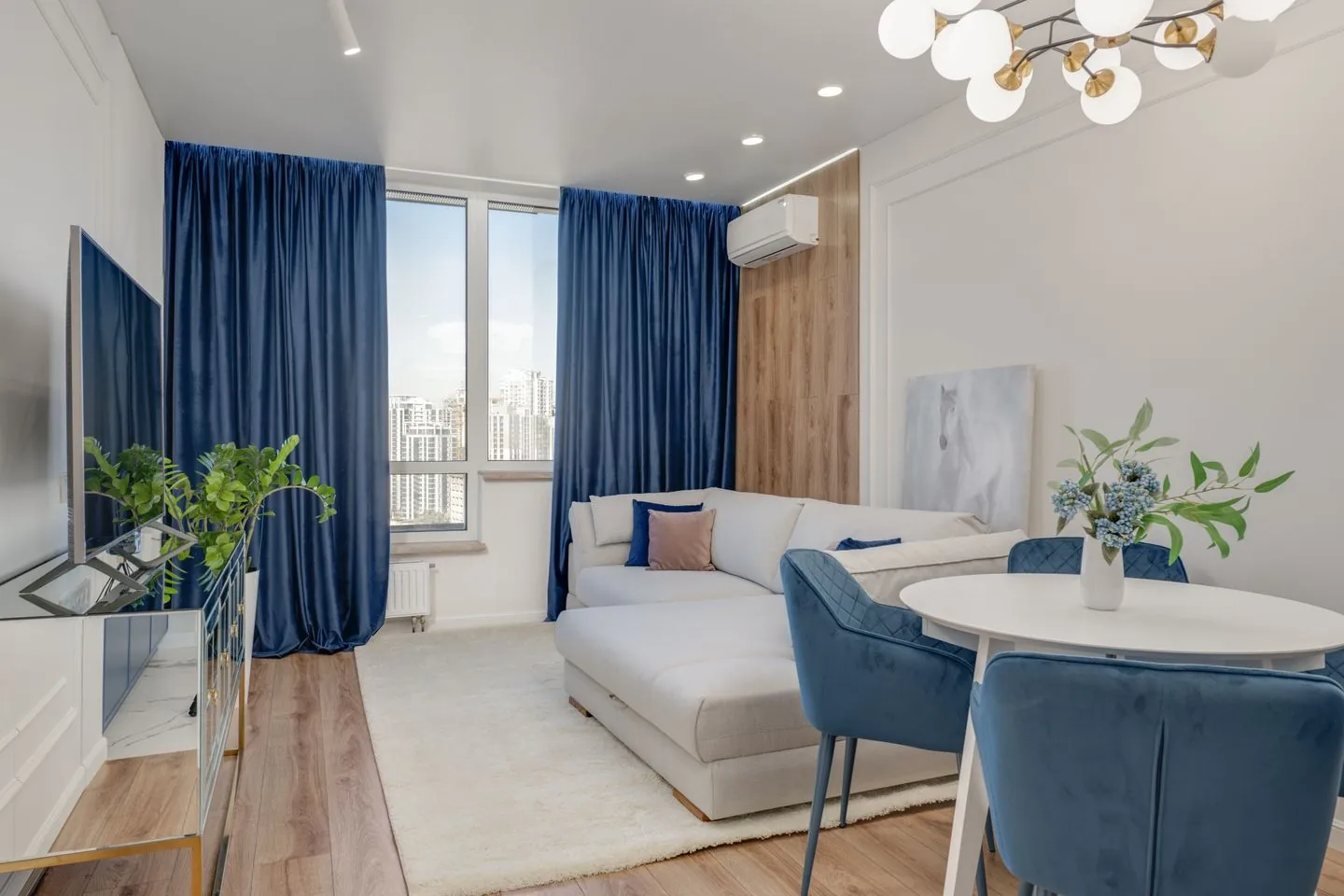
A living room can have plenty of floor space and still feel awkward. The coffee table catches your shin on the way to the window, or a chair sits exactly where everyone turns towards the kitchen. Before buying anything smaller, notice the journeys you make. Walk from the door to each seat, to the curtains and to any cupboards you use. The route should make sense when someone else is already sitting down.
Move loose baskets, footstools and occasional tables out of the way for a moment. This gives you a clearer view of the furniture that actually shapes the room. If the space immediately becomes easier to use, the answer may be a new home for those smaller pieces rather than a different sofa.
Give the main route a clear edge
It is usually easier to move along the side of a seating group than straight through its centre. Try positioning the sofa so the most-used route passes behind or beside it. In a compact room, that may mean choosing one clear direction of travel instead of trying to leave a passage around every piece.
There is no single gap that works for every household. Check the arrangement with the people who use it, including anyone carrying a tray, using a walking aid or helping a child. Doors and drawers need their opening space too. A layout that works only when everything is closed will feel smaller during normal use.
Keep the useful surfaces within reach
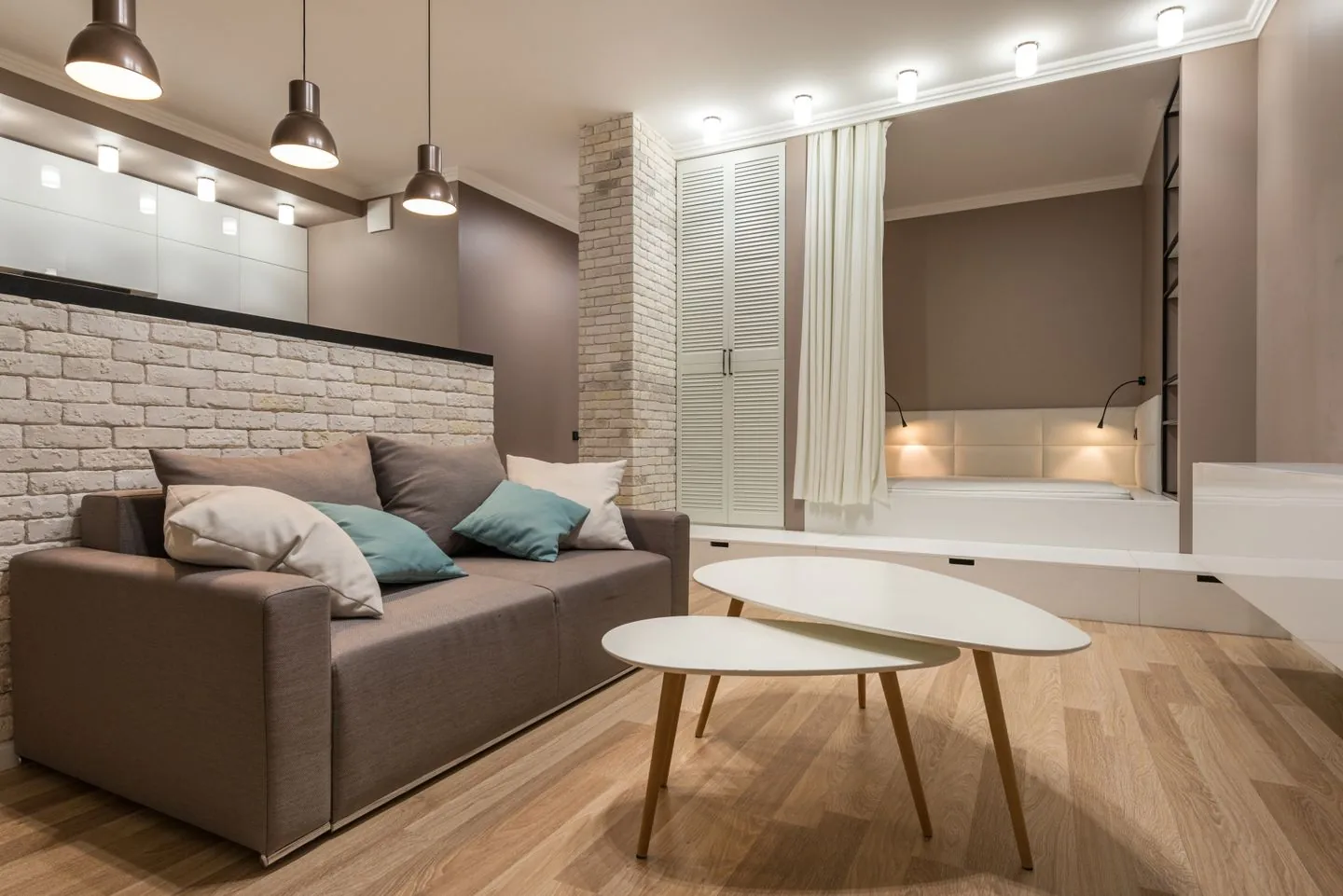
A coffee table is helpful when you can put down a mug without leaning awkwardly, but it does not need to fill the entire centre of the room. A smaller table, a pair of moveable side tables or one surface beside the most-used seat may suit the room better. Think about where people actually sit rather than arranging every seat around an imaginary gathering.
Keep a place for a drink near an armchair, and check that the lamp can stand somewhere without its cable crossing a route. If a side table holds a lamp and nothing else, it may need a different shape rather than a bigger footprint. Leave enough clear surface for the ordinary things that arrive throughout the day.
Use the rug to bring the seats together
A rug can make separate pieces feel like a group without adding another physical boundary. Try a size that relates to the seating arrangement rather than one that floats between the furniture. Mark its outline with paper before ordering, then open doors and walk around the proposed edges.
Keep the main walkway easy to read. A rug edge, basket and table leg meeting at the same point can create a fussy little obstacle even when each item is small. Where a rug is appropriate, choose a suitable non-slip solution for the floor and keep its edges flat.
Live with the change for a few days
Test the arrangement through an ordinary evening before deciding it is finished. Can you reach a blanket, close the curtains and put a book away without moving another object? Does the room still work with an extra person on the sofa? These small observations are more useful than a photograph taken from the doorway.
If one spot keeps collecting things, give those things a deliberate home. A living room does not need an empty centre or a perfectly symmetrical plan. It needs comfortable places to sit and a straightforward way to move between them.
Make the busiest route easy first. Arrange the seating, surfaces and small storage around it.
A Swishover guide · Practical ideas to adapt to your own home.
Spotted something we should improve?