Identify the missing-minute problem
Morning delays often have a specific shape: searching for keys, finding a matching shoe or remembering a bag after locking the door. Notice what happens for several mornings before buying entrance storage. The answer may be a reliable place for one small object rather than a larger cabinet. A useful setup follows the household's real departure habits.
Ask each person what they need within reach. Different schedules may mean one person leaves early with a work bag while another needs school equipment later. Avoid assuming everyone will use the same tray or hook in the same way. Shared space works better when the arrangement is obvious and does not depend on remembering someone else's private system.
Give essentials a fixed landing place
Keys, a travel card and any regularly needed small item should have a consistent home after returning. Choose a dish, drawer or organiser that suits their size and the entrance layout. Keep valuables away from casual view and follow sensible security practices; convenience should not place keys where they are easily accessible from outside.
The storage should be easy to use with full hands. A tiny box with a stiff lid may be less successful than a simple drawer or tray in a suitable position. Test the action while carrying a bag. If returning the item feels unnecessarily fiddly, it is likely to end up on the nearest flat surface instead.
Prepare the next bag in the evening
Put the things needed for the next day together before the morning rush. This might mean documents, a charger or a packed activity kit, depending on the journey. Keep food and other temperature-sensitive items in their appropriate storage until departure; a reminder beside the bag can be more suitable than packing everything early.
Place the ready bag where it can be collected without blocking the entrance. Avoid a growing row of bags for trips that are days away. If the hallway is small, preparation can happen in another room, with only the next day's bag brought near the door. The entrance does not have to contain the entire planning process.
Make shoes and coats simple
Keep current everyday shoes together in a space that allows them to dry and be stored appropriately. Less-used pairs can live elsewhere. Check that a rack does not obstruct door movement or create a narrow passage. A place to sit may help some households, but only if it fits without making everyone squeeze around it.
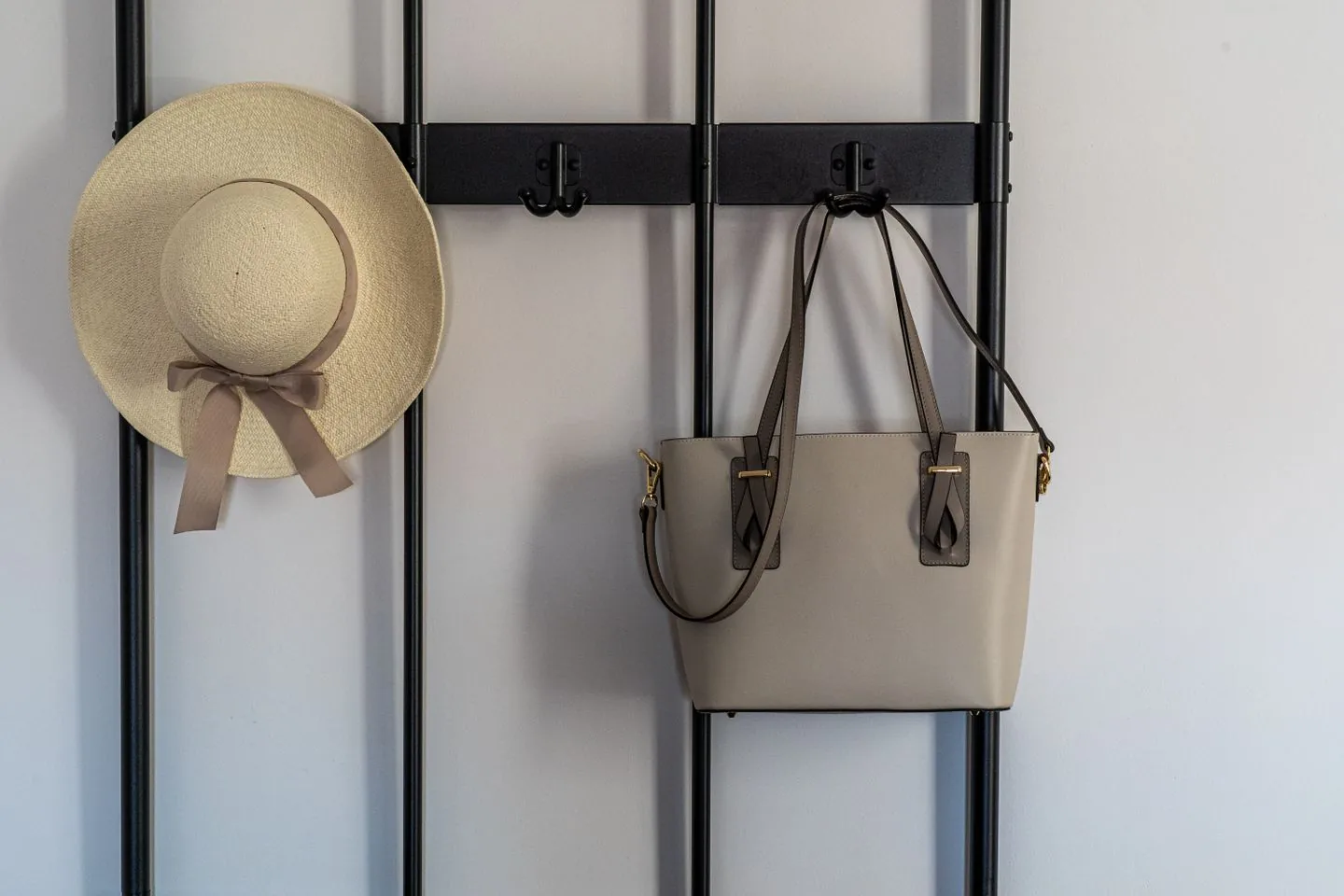
Coats should be easy to identify and reach. Too many garments on one hook turn a quick movement into a search, especially when small accessories disappear beneath them. Use suitable fixings for the load and avoid overfilling. Seasonal overflow belongs in another appropriate storage place rather than becoming a permanent obstacle at the exit.
Leave one clear final check
A short departure check can catch the last predictable omission. Keep it specific to the day rather than building a long list that nobody reads. A note for an unusual appointment or borrowed item may be enough. Review the setup after a week and remove anything that has become clutter. The goal is a calmer exit, with fewer searches and enough clear space to leave without rearranging the hallway.
Build the entrance routine around tomorrow’s actual journey rather than storing every possible outing at the door.
A Swishover guide · Practical ideas to adapt to your own home.
Spotted something we should improve?