Take a photograph before touching anything
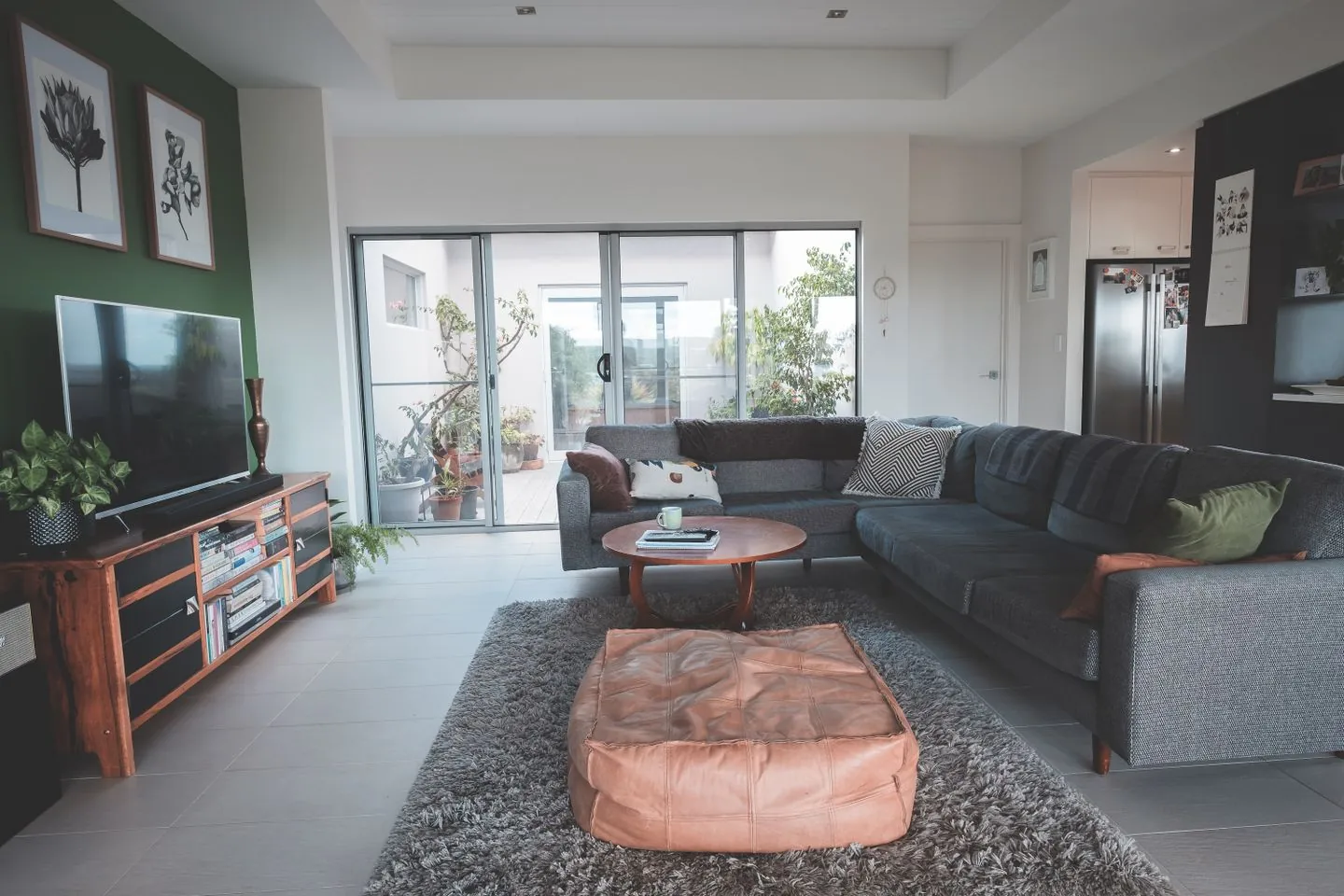
A quick photograph can make familiar clutter easier to notice. Look at the room as a collection of shapes: where does furniture crowd together, which surface is overloaded and where does the eye stop? The photograph is a useful prompt, not the final judge. Walk through the room as well, because an awkward route may be invisible in a still image.
Write down the one thing you most want to improve. It might be a gloomy corner, a sofa without a useful side surface or a dining area that feels detached from the rest of the room. Keeping that aim small prevents a simple refresh from becoming a complete rearrangement that leaves every room in the house temporarily unusable.
Remove the temporary things
Put away items that belong elsewhere before moving furniture. Bags, laundry and paperwork can make a room seem short of storage or badly arranged when the immediate problem is simply unfinished daily tasks. Return them to proper homes rather than shifting them to another visible surface. You need a clear view of the room's permanent pieces before judging what should change.
Next, set a few decorative objects aside. Empty space can reveal the furniture's outline and give favourite pieces more presence. This is an experiment, not an instruction to discard possessions. Keep the removed objects safely together so you can choose what to return once the larger arrangement is settled.
Borrow one useful piece
Look around the home for something that could solve the identified problem. A small table from a bedroom might work beside a reading chair; a lamp from an underused corner might improve the evening light. Check that the donor room still functions. Moving an inconvenience elsewhere is not a successful refresh, even if the target room looks better.
Measure before carrying heavy furniture and ask for help where needed. Protect floors and check that the new position allows doors, drawers and walking routes to work. Follow any stability or anchoring requirements for moved furniture. A different location can change how a piece is used, so do not assume its previous setup remains suitable automatically.
Recombine colours and objects
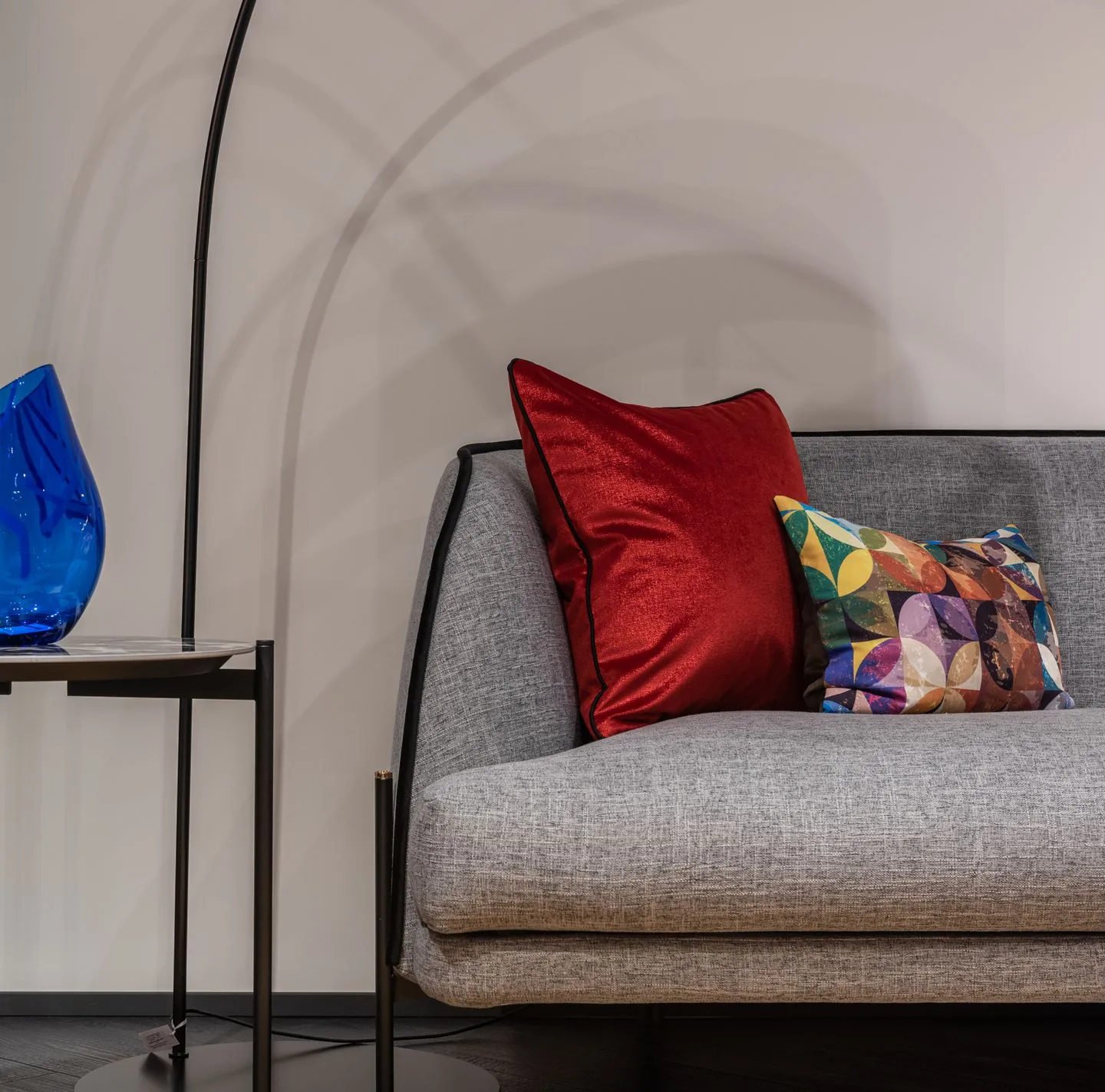
Try a cushion on another chair or a picture in a different grouping. Familiar items can feel new when their neighbours change. Look for an existing colour that connects two parts of the room, then let those pieces sit where the relationship becomes visible. Avoid moving everything at once; a few changes are easier to assess and reverse.
Use objects according to their capabilities. A decorative bowl may hold keys well but be unsuitable for food, and a delicate table should not become extra seating. The appeal of using what you own is strongest when the new role is genuinely sensible. You should not need to invent a complicated workaround to make the piece fit.
Keep the changes that survive the week
Use the room normally before deciding the refresh is finished. Read in the new chair position, serve a meal and clean around the furniture. Notice whether the original irritation has improved. Bring back only the decorative objects you miss seeing, and record any remaining practical gap. If a purchase is still needed, you can now describe its job and dimensions clearly rather than shopping for an undefined feeling of change.
Look for a better relationship between existing things rather than treating every empty space as a purchase.
A Swishover guide · Practical ideas to adapt to your own home.
Spotted something we should improve?