Work around the real table
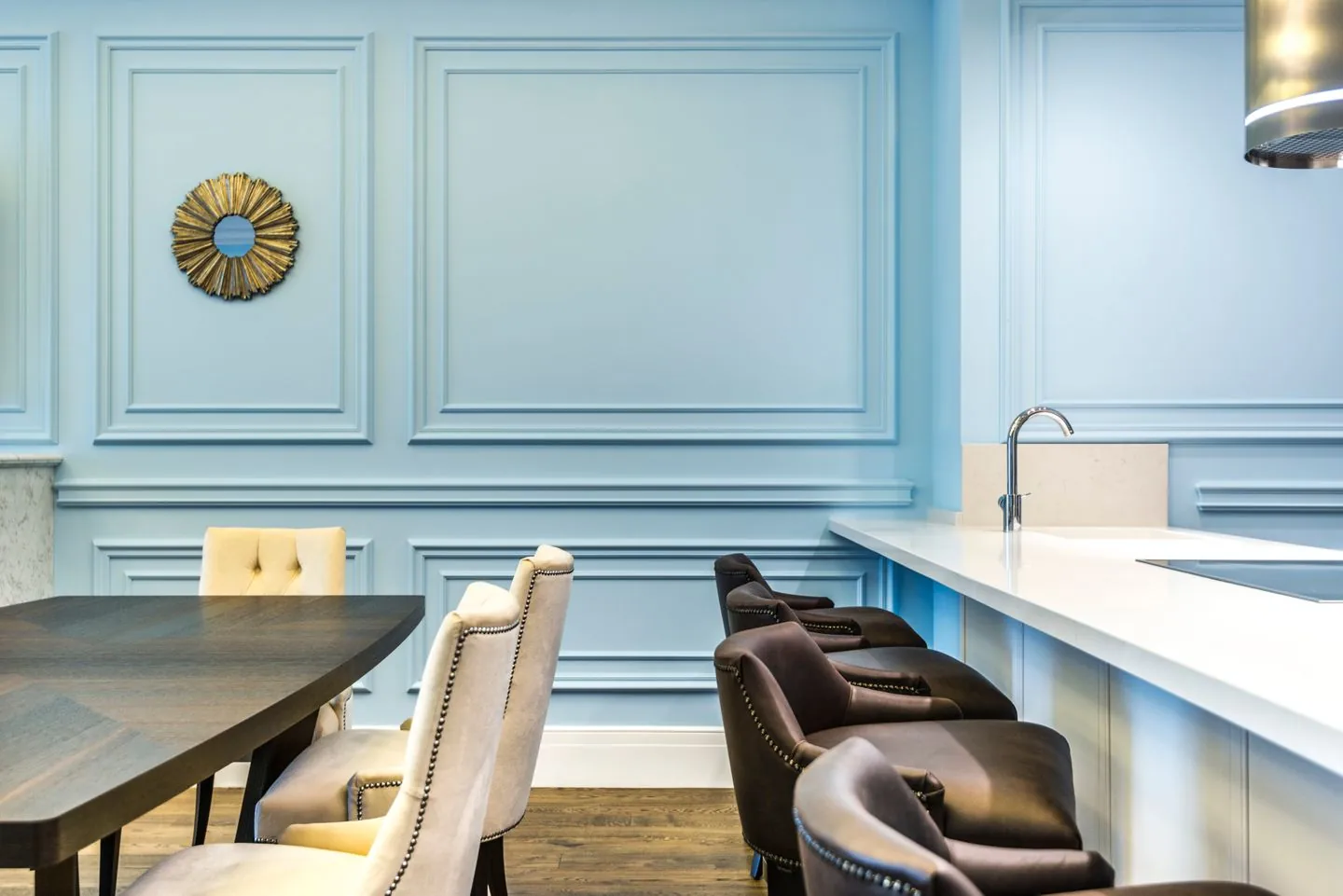
A rented dining area often contains furniture chosen for another room or another stage of life. Before treating that mismatch as a shopping problem, clear the table and sit in every chair. Check the route to the kitchen, the space for pulling a chair out and the view from each place. A slight rotation or shift may make the whole corner feel more settled.
Leave the table usable while testing ideas. A beautifully styled surface that has to be dismantled before breakfast soon becomes irritating. If the table also serves as a desk, identify somewhere for work equipment to go at mealtimes. A portable tray or nearby shelf can make the change of use much easier than adding another decorative centrepiece.
Let textiles carry the colour
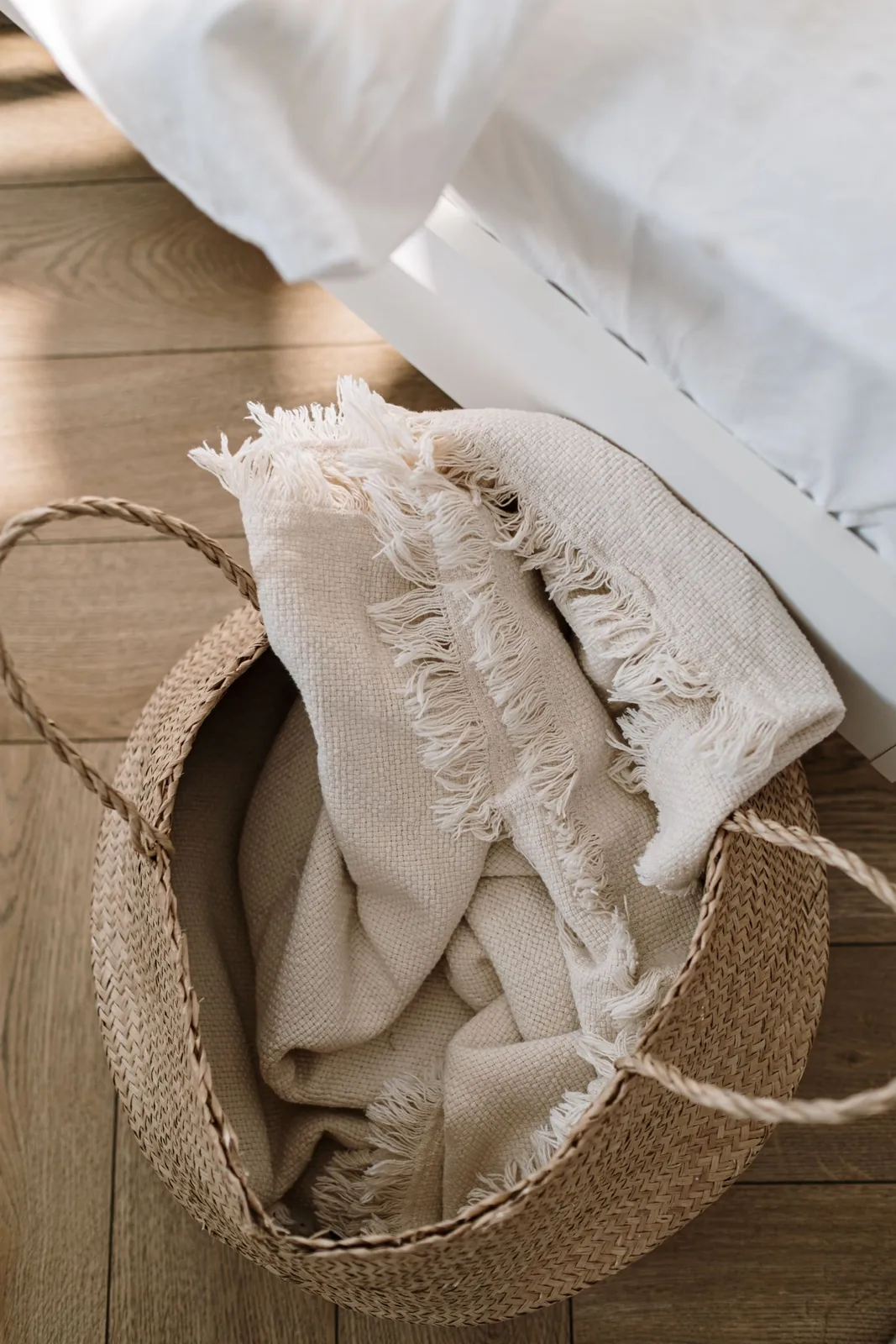
A tablecloth changes a large area without touching the property. Choose one that suits the table's shape and everyday care routine, and check how far it hangs beside seated knees. If a full cloth feels too formal, placemats or a runner can introduce colour while leaving some tabletop visible. Stable place settings matter more than an elaborate layered effect.
Chair pads can soften the appearance of mismatched seats, but only if they fit securely and do not slide when someone sits down. Look at their care labels before purchase. Pale fabric may suit the room, yet removable, washable covers might be more useful in a dining space used for crafts, snacks and family meals throughout the day.
Make a connection with the surrounding room
Pick one existing colour to repeat in the dining corner. It could come from a nearby picture, a curtain or a kitchen cupboard. Repeating it in a bowl or textile gives the area a relationship with the rest of the home without requiring identical furnishings. A collection of unrelated new accessories often makes a small corner feel busier rather than more finished.
If adding a freestanding shelf or cabinet, check its stability and follow any anchoring requirements. Renter-friendly does not mean ignoring the fixing a piece needs to be safe. Discuss necessary wall attachments with the landlord before purchase. Where that is unsuitable, choose furniture designed to work safely in the available situation instead of leaving a tall unit unsecured.
Use the light already available
Try eating at the table in the evening before deciding what the lighting lacks. Sometimes a bright lamp elsewhere in the room produces an uncomfortable contrast, while the dining corner needs a little softer background light. A suitable nearby table lamp may help if its cable can reach a socket safely without crossing a route or the tabletop.
Changing an electrical fitting is not a casual portable update. Obtain any required permission and use appropriate professional help. If you cannot alter the light, concentrate on colours and surfaces that feel pleasant under the existing fitting. Avoid dangling improvised decorations from a lamp or using a shade that is incompatible with the fixture.
Keep the final layer modest
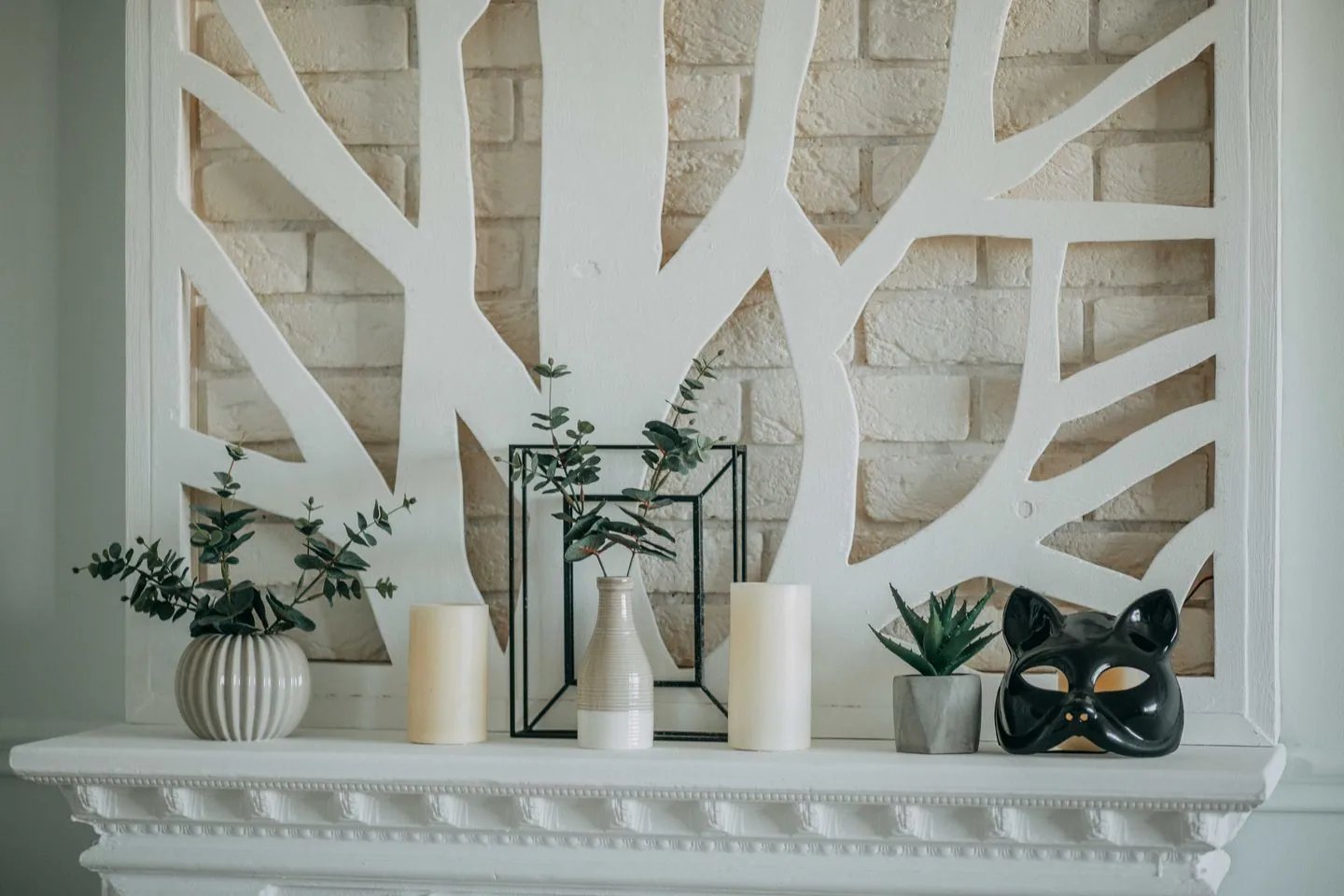
One low vase, a jug or a bowl of fruit is often enough to give the table a focus. Choose something easy to lift when more space is needed, and avoid tall arrangements that divide people across dinner. The room should still look like yours when the table is laid for food. A successful rental refresh travels with you while making the present home more comfortable now.
Improve the dining area through layout and portable pieces before making alterations to the property.
A Swishover guide · Practical ideas to adapt to your own home.
Spotted something we should improve?