Look at the kind of disorder
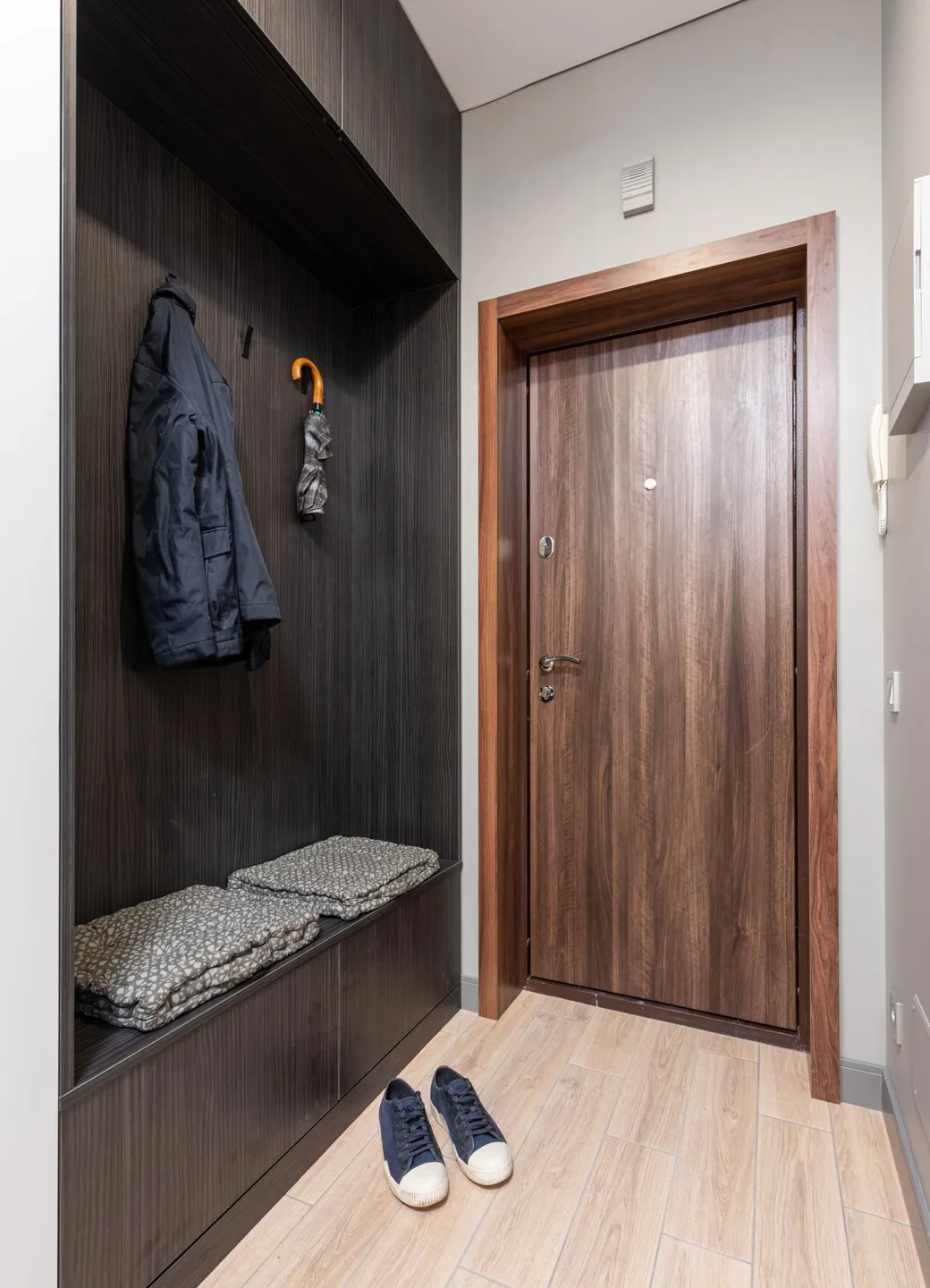
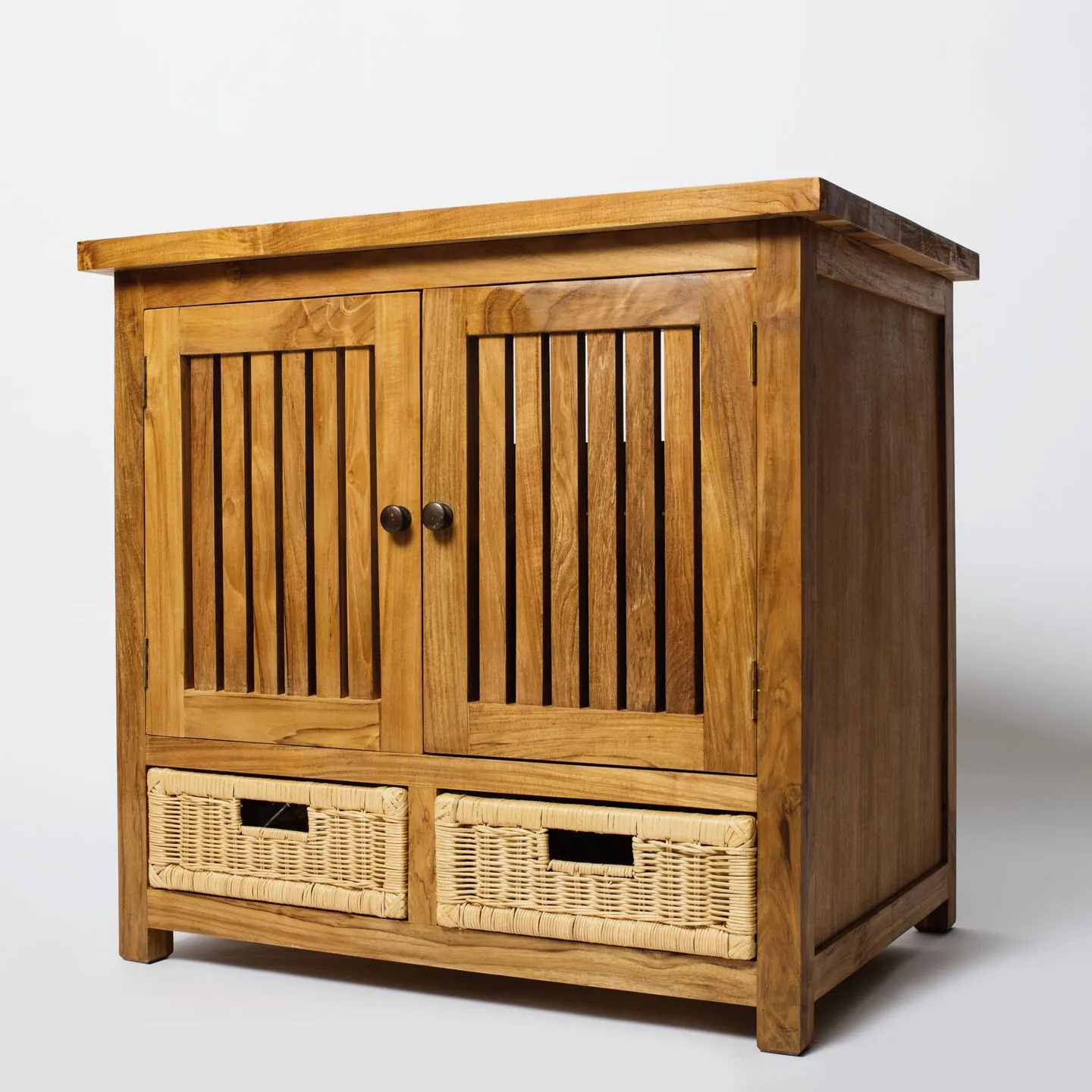
Closed doors are useful for different reasons. They can reduce the visual busyness of packaging, protect suitable objects from dust or keep a working collection together. Identify which problem you want to solve before moving everything out of sight. A row of colourful board games may be easy to use on an open shelf, while loose paperwork could benefit from a closed cupboard. There is no universal rule that attractive things should be displayed and practical things hidden.
Consider the room from its normal viewing positions. A few open objects may give it character, while dozens of small supplies make it feel restless. Choose closed storage for the groups whose appearance adds little but whose function still matters.
Let frequency influence the door
Anything used repeatedly needs a home that opens easily and offers a clear view. A cupboard near the task may be more convenient than an open shelf across the room, but a stiff latch or obstructed door can make returning things unlikely. Test access while the room is in use, including when chairs are pulled out or someone is seated nearby.
Occasional belongings can occupy less convenient compartments, provided they remain identifiable and safe to lift. Keep heavy objects at a manageable height. Do not assign daily items to deep rear shelves merely because closing the door makes the front look calm. Visual quiet should accompany usable storage rather than conceal a difficult arrangement.
Group the interior as carefully as the exterior
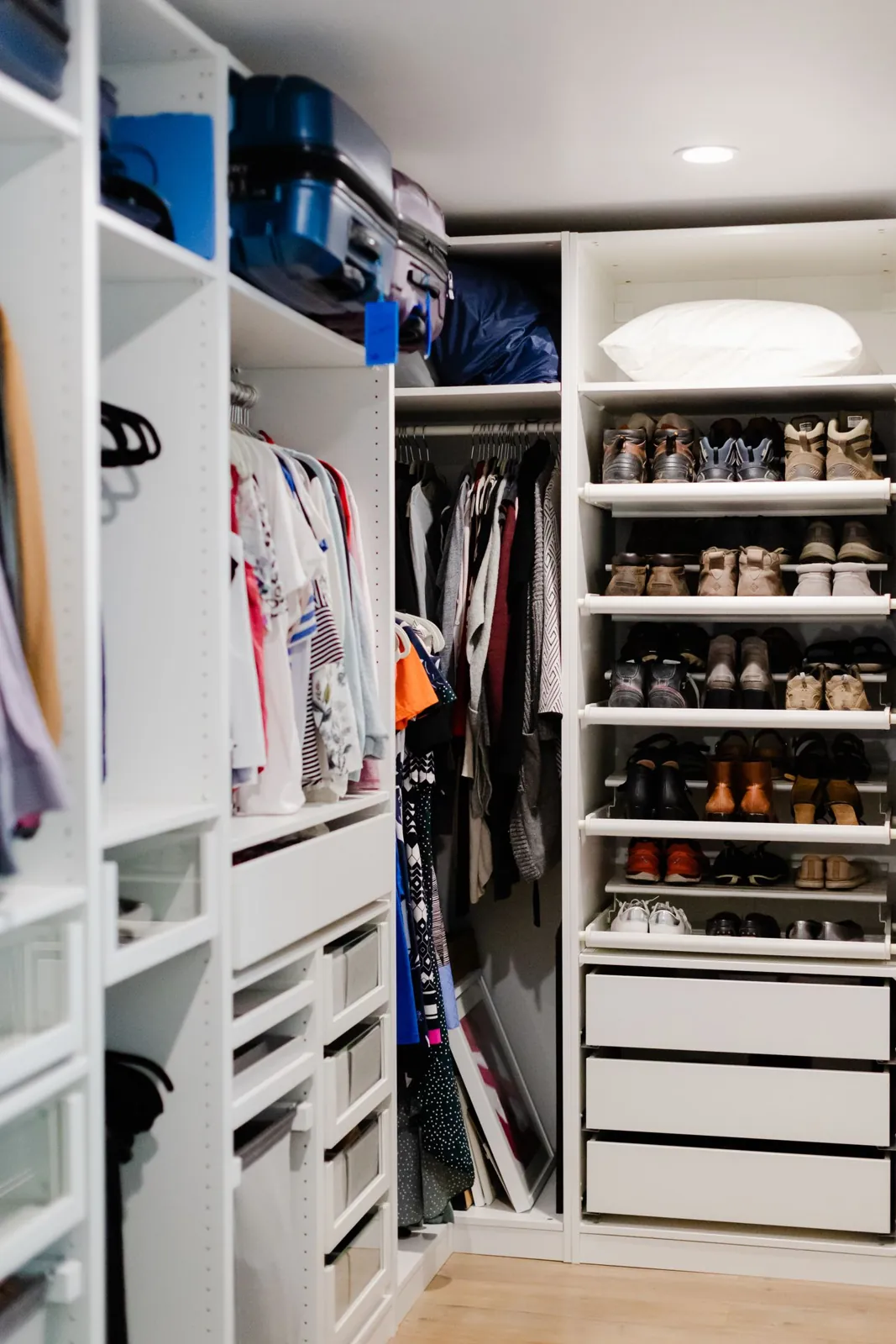
Closed storage still needs categories. Use shelf spacing and a few containers to keep related items together, with labels where the contents are not obvious. A cupboard of unmarked boxes simply replaces visible clutter with hidden searching. Keep broad groups that suit the household: games, table linens or office supplies, rather than a complicated classification that only one person remembers.
Leave enough room to remove a container without shifting every neighbour. Avoid multiple loose layers on deep shelves. A removable tray or pull-out fitting may help where suitable, but it should solve a particular access problem. Start with the simplest arrangement that lets you see and reach the contents.
Check conditions behind the door
Some belongings need ventilation, particular temperatures or secured access. Follow product and equipment instructions rather than assuming an enclosed cupboard is appropriate. Damp textiles need to dry before storage. Working electrical equipment may need clearances and airflow that a furniture cavity cannot provide. Cleaning products and other potentially hazardous supplies need suitable labelled, secure storage for the household.
Keep service access clear where cupboards contain plumbing or other equipment. Do not use an attractive door to conceal leaks, overheating or an overloaded shelf. The interior should remain easy to inspect and clean, even when the exterior is deliberately plain.
Retain a few useful things in view
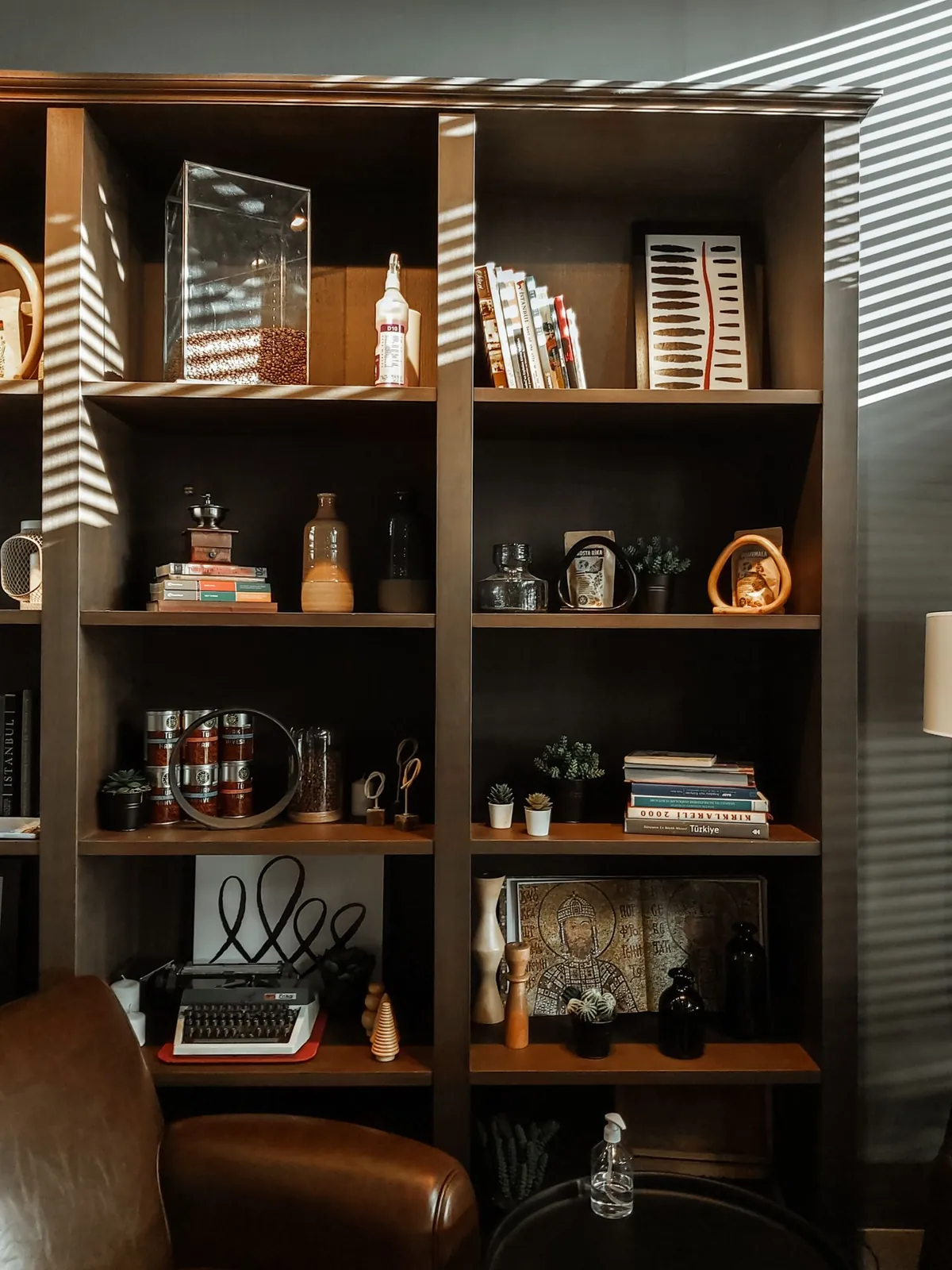
An open shelf can hold the current book, a favourite bowl or the tools used many times a day. Keeping these visible may make the room more comfortable and understandable. The balance can change as routines change; a cupboard is not a permanent verdict on what deserves attention.
Review hidden groups occasionally, especially when a door becomes difficult to close. Remove items that no longer serve the household and restore the space needed for easy access. Closed storage works well when opening it reveals a clear, manageable collection. It should provide a quieter room without turning ordinary belongings into objects that are forgotten until the next major clear-out.
Close away visually busy groups where useful, but keep their interior arrangement visible, suitable and easy to use.
A Swishover guide · Practical ideas to adapt to your own home.
Spotted something we should improve?